


A Journey Through Time in One of Florida’s Oldest Communities
Indigenous History
The land we now call Maitland has been home to human life for over 12,000 years. From Florida’s earliest nomadic people to the Timucua-speaking agricultural societies who lived here long before European contact, the region has a long and layered history. The arrival of Spanish colonizers in the 16th century brought devastating disease and upheaval to Indigenous communities. But contrary to historical accounts that suggest these groups vanished, today’s Seminole and Miccosukee people recognize themselves as the descendants of all of Florida’s Native peoples. Their thriving cultures continue to preserve traditions, language, and resilience in the face of centuries of colonization. Fumecheliga, the name once given to Maitland, comes from the Creek language and means “place where the muskmelon grows,” a nod to the land’s richness in both soil and spirit.
Learn more about Florida’s indigenous history by visiting the Ah-Tah-Thi-Ki Museum at the Big Cypress Seminole Indian Reservation: https://www.ahtahthiki.com/.
The Gilded Age
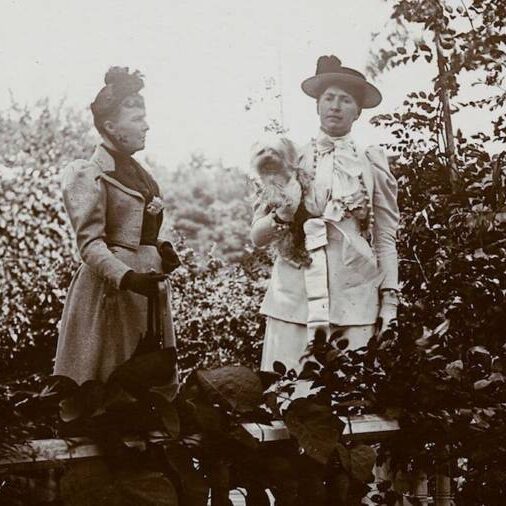
By the late 1800s, the land around Lake Maitland remained largely wild and uninhabited. Following the Civil War, Northerners and Southerners, both black and white, journeyed to Central Florida in search of a new start. These early pioneers worked side by side to lay the foundations of a community, establishing citrus groves, churches, and schools. Maitland’s scenic lakes and subtropical climate quickly caught the attention of seasonal visitors. Presidents Chester Arthur and Grover Cleveland, along with literary figures like Louisa May Alcott, were among the affluent winter guests who sought both rest and investment opportunities here.
In 1887, just to the west of Maitland, a dream of self-determination took root. Joseph Clark, a formerly enslaved man, founded the historic township of Eatonville, one of the first all-Black, self-governed municipalities in the United States. With support from Maitland residents Josiah Eaton and Lewis Lawrence, Clark helped create a town where Black families could build homes, vote, and govern themselves in an era of widespread racial oppression. Maitland and Eatonville would become forever linked by geography and intertwined histories.
The Progressive Era
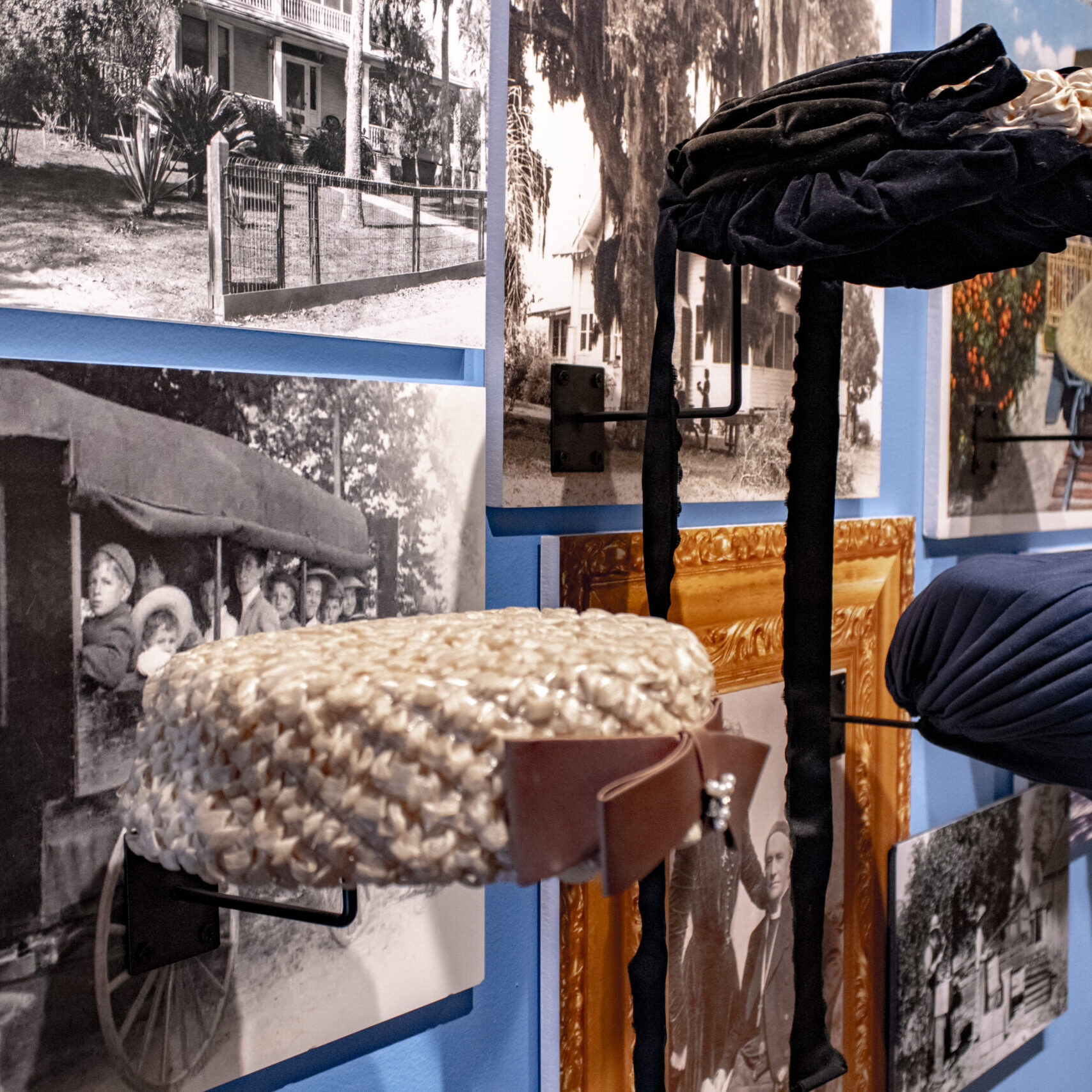
Maitland’s quiet charm didn’t stop it from becoming a wellspring for progressive ideas in the early 20th century. While major cities across the nation pushed for social reforms, environmental protections, and access to education, many of those same ideals were blooming right here. Maitland residents helped establish the Robert Hungerford Industrial School, modeled after Booker T. Washington’s Tuskegee Institute, in nearby Eatonville.
Maitland was also home to the founding of the Florida Audubon Society in 1900, launched at the Dommerich family’s lakeside estate. What began as a campaign to protect Florida’s native bird populations quickly evolved into one of the most influential conservation efforts in the state, drawing support from national figures like Theodore Roosevelt and former First Lady Rose Cleveland.
The New Era
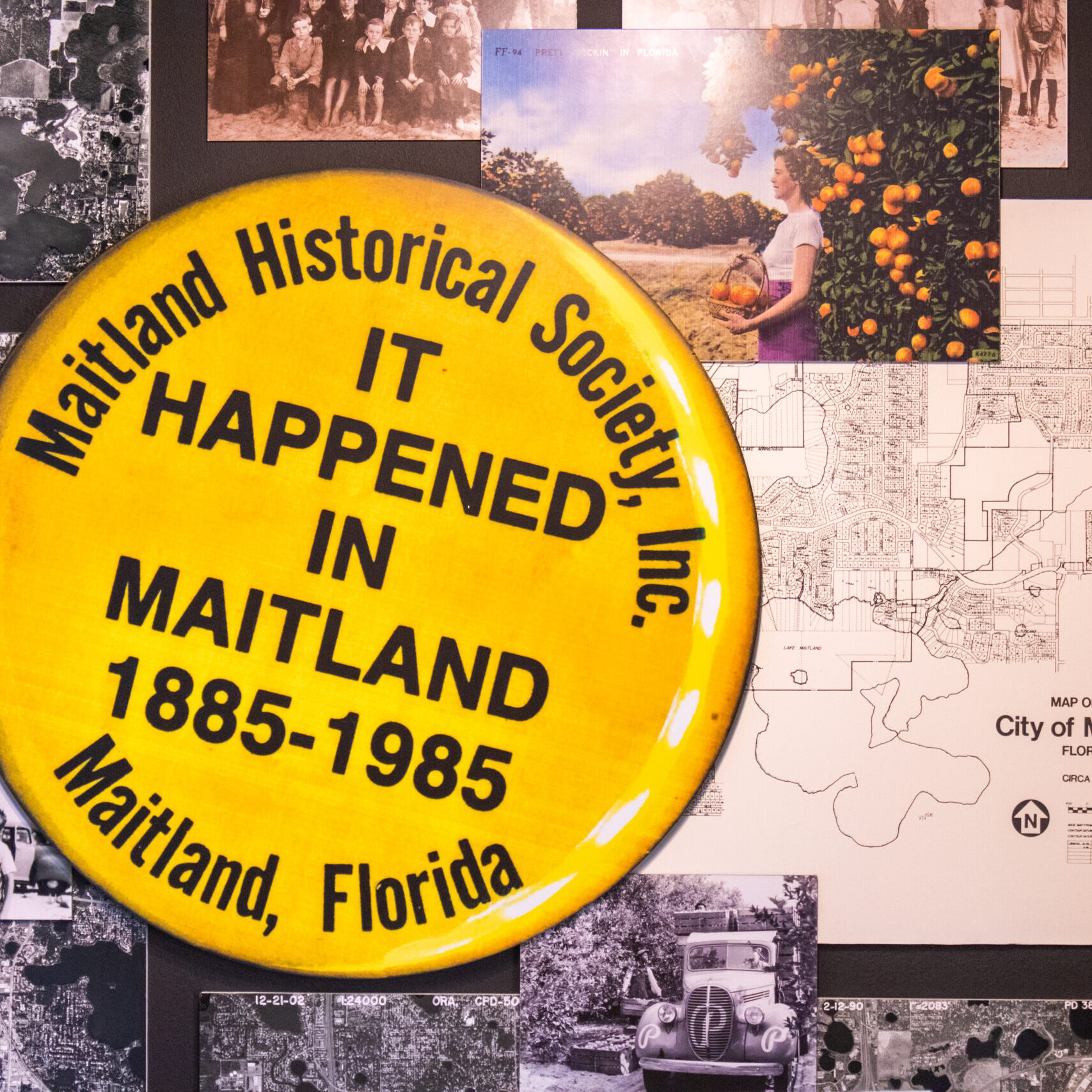
As America entered the 1920s, the rise of automobile travel transformed Maitland into an increasingly connected destination. The town’s citrus groves flourished again after the devastating freezes of the 1890s, and travelers from across the country arrived by road and rail to enjoy its lakes, gardens, and charming social scene.
It was during this period that Maitland began to take on a distinctive artistic identity. Artist and architect Jules André Smith, a World War I veteran, discovered Maitland while seeking a peaceful place to recover and create. In 1937, with the support of philanthropist Mary Curtis Bok, he founded the Research Studio, an artist’s colony dedicated to experimentation and modern art. With its hand-carved concrete sculptures and Mayan Revival design, the Research Studio became a beacon for modern artists and remains today as the nationally recognized Maitland Art Center.
The Atomic Era
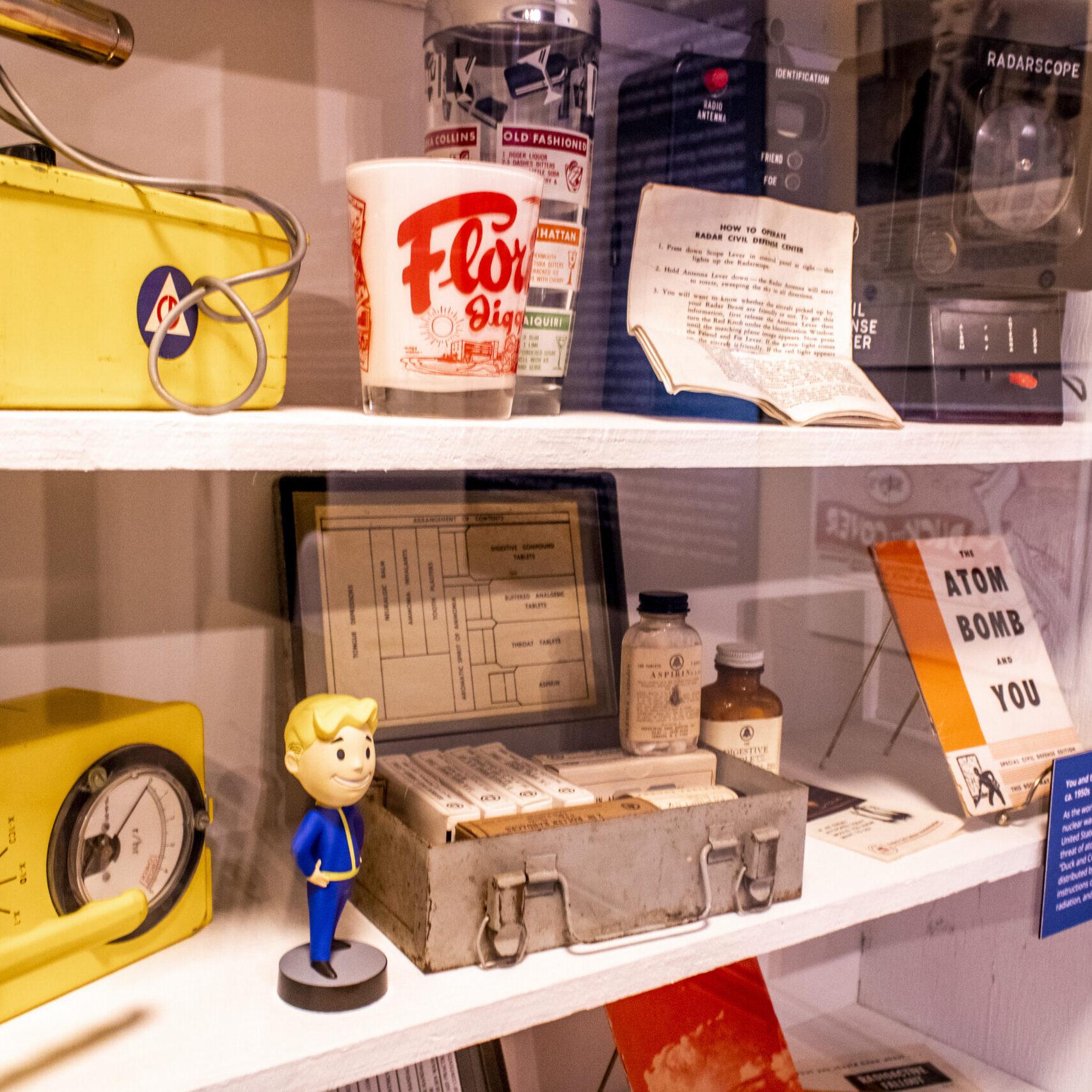
The close of World War II ushered in a new chapter in American life, and for Maitland, it meant transformation. As returning veterans sought homes, jobs, and peace, a wave of suburban growth spread across the country. Maitland, with its quiet lakes, shaded roads, and proximity to Orlando, became an ideal haven for families looking to build their futures in the sunshine.
The arrival of the Martin Marietta Corporation to nearby Orlando in 1956, an aerospace and defense contractor vital to Cold War research, accelerated the shift. Engineers and technicians relocated from the Northeast and Midwest, many of them choosing to settle in Maitland, far enough from the industrial plants but close enough to commute. Quiet groves and estate lands were quickly subdivided into new neighborhoods, including the sprawling Dommerich Estates, built on the grounds of a former Gilded Age mansion.
Even as fears of nuclear conflict loomed large, life in Maitland reflected the postwar American dream. New roads were paved, modern homes were built, and a fresh energy defined the town. The Maitland of the Atomic Era was suburban, secure, and growing fast, evolving from sleepy citrus town into a connected, modern community ready to meet the future.
A Cultural Hub Today
Today, Maitland remains a town shaped by its past and energized by its future. With institutions like the Art & History Museums of Maitland, the Holocaust Center of Florida, the Enzian Theater, and the Audubon Center for Birds of Prey, it has become a thriving cultural destination in Central Florida.
But the full story can’t be told in a single page.
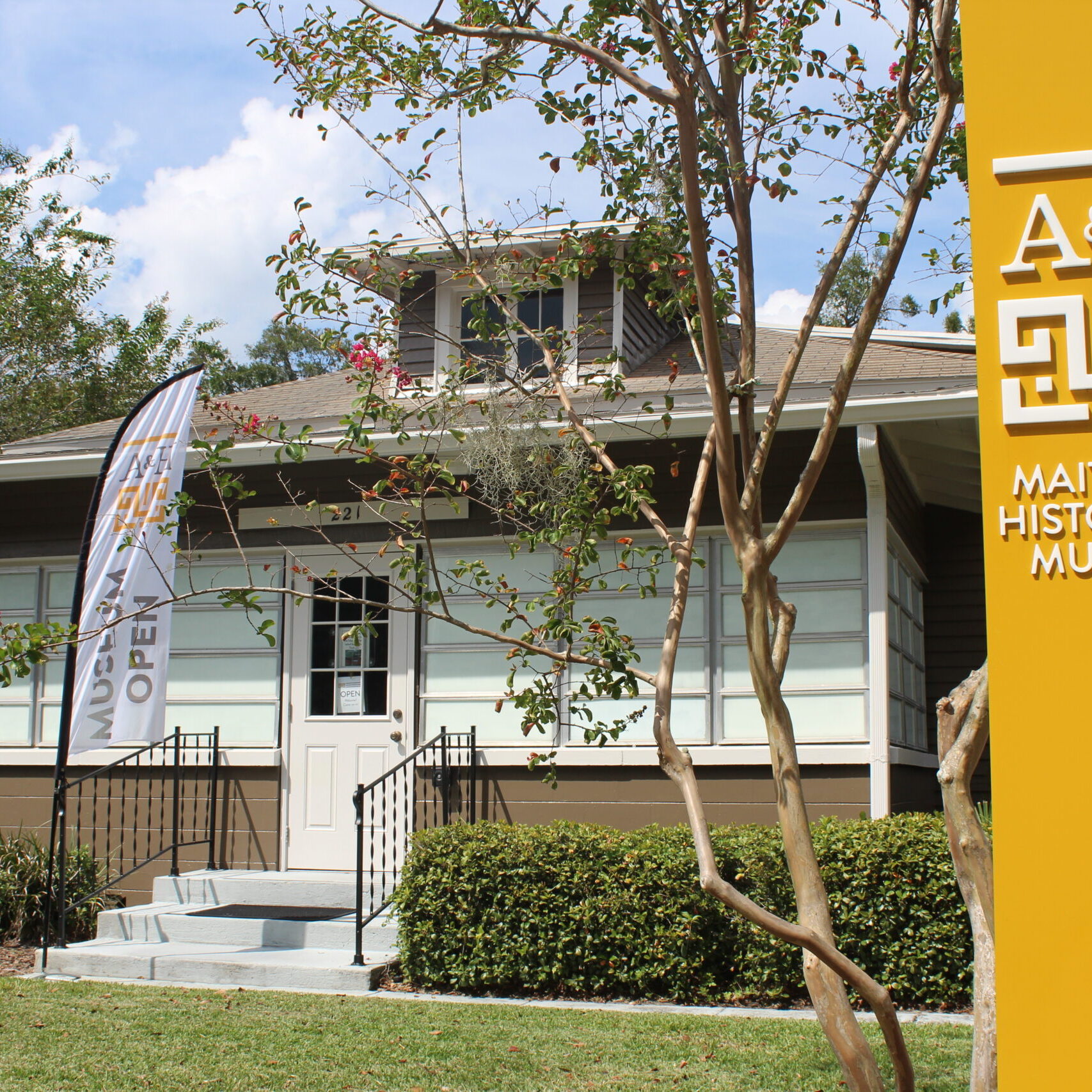
We invite you to explore more by visiting the Maitland History Museum, where you’ll find artifacts, personal stories, and surprising discoveries that bring this rich local history to life.