

André Smith, The Sculptor
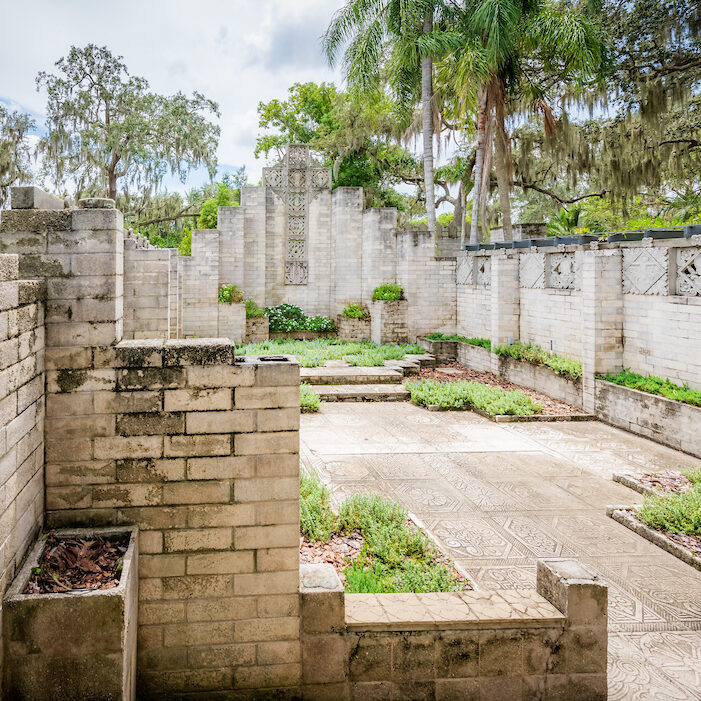
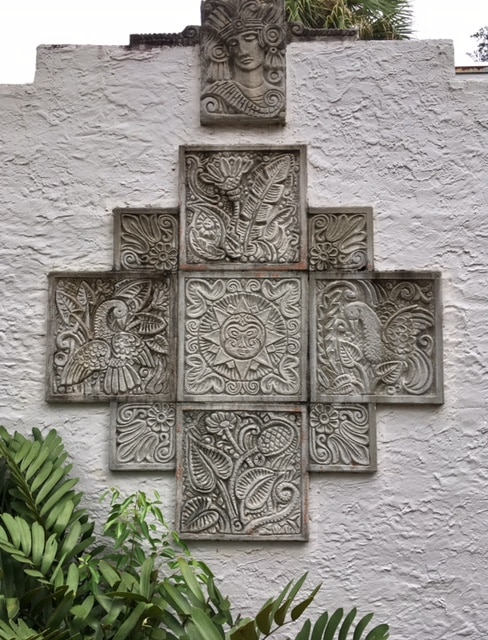
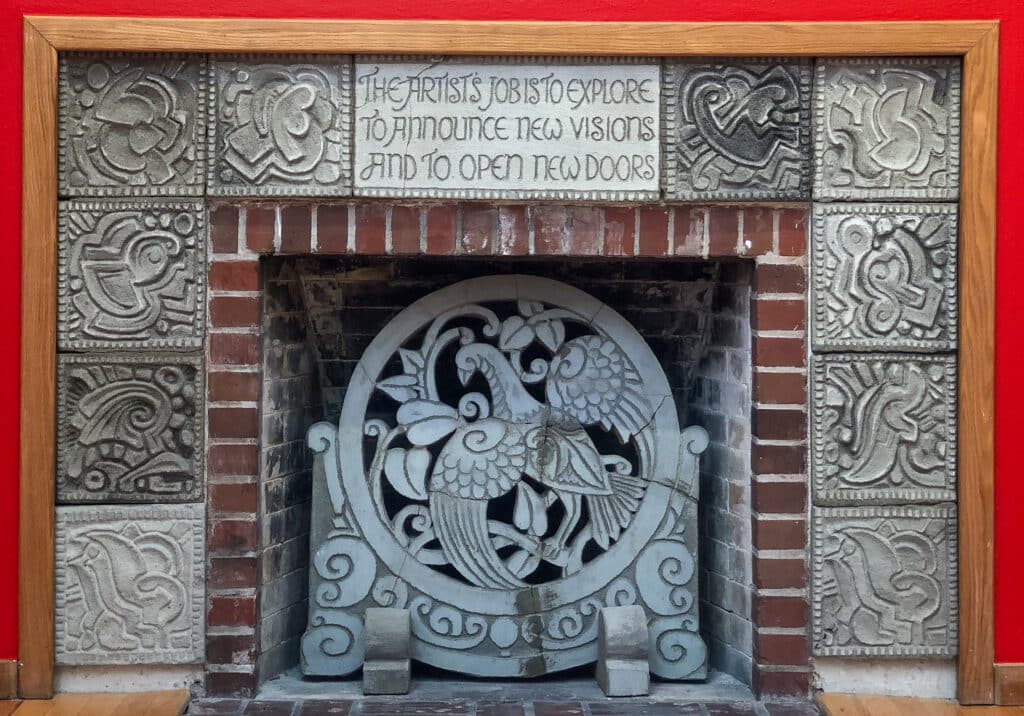
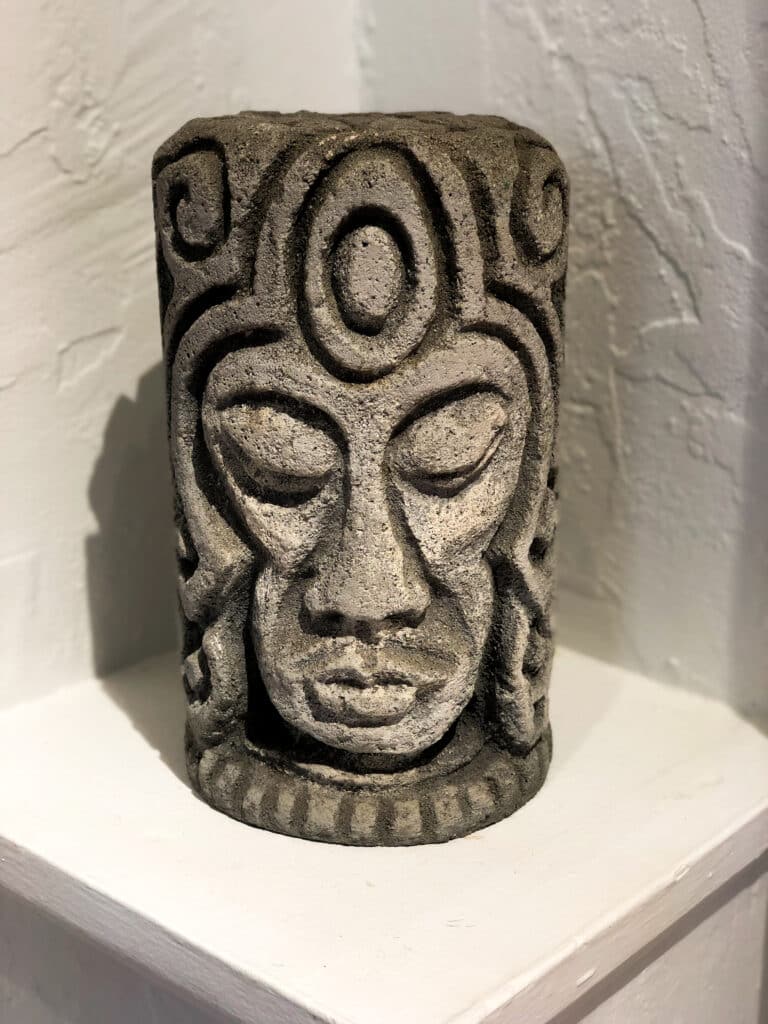
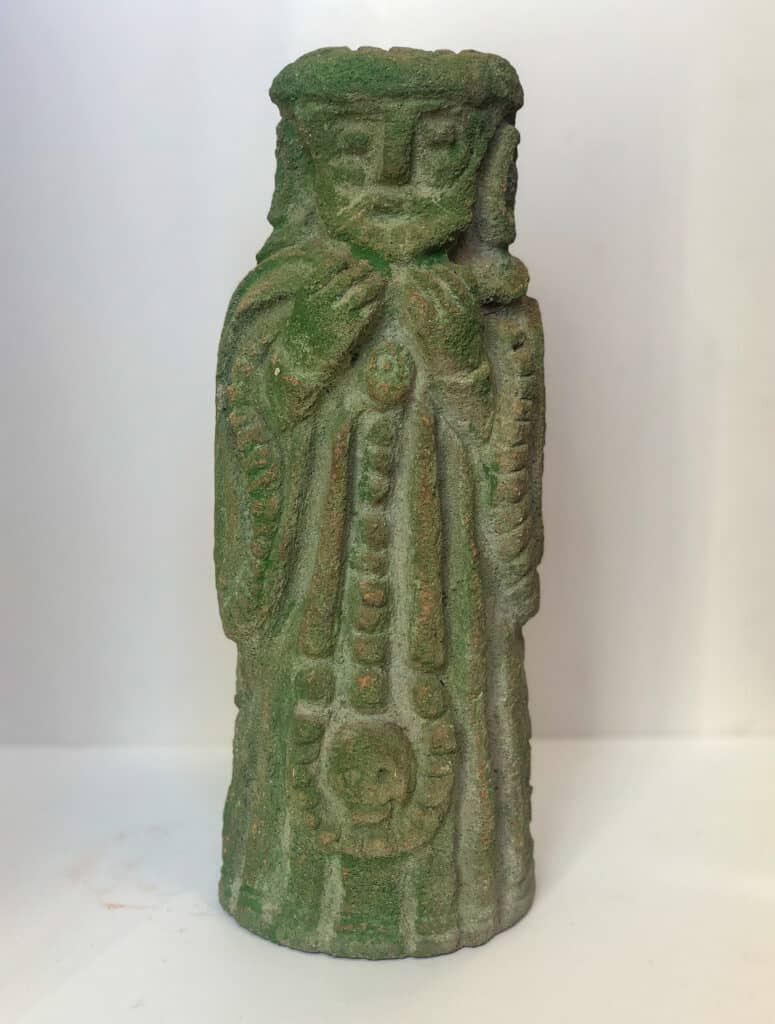
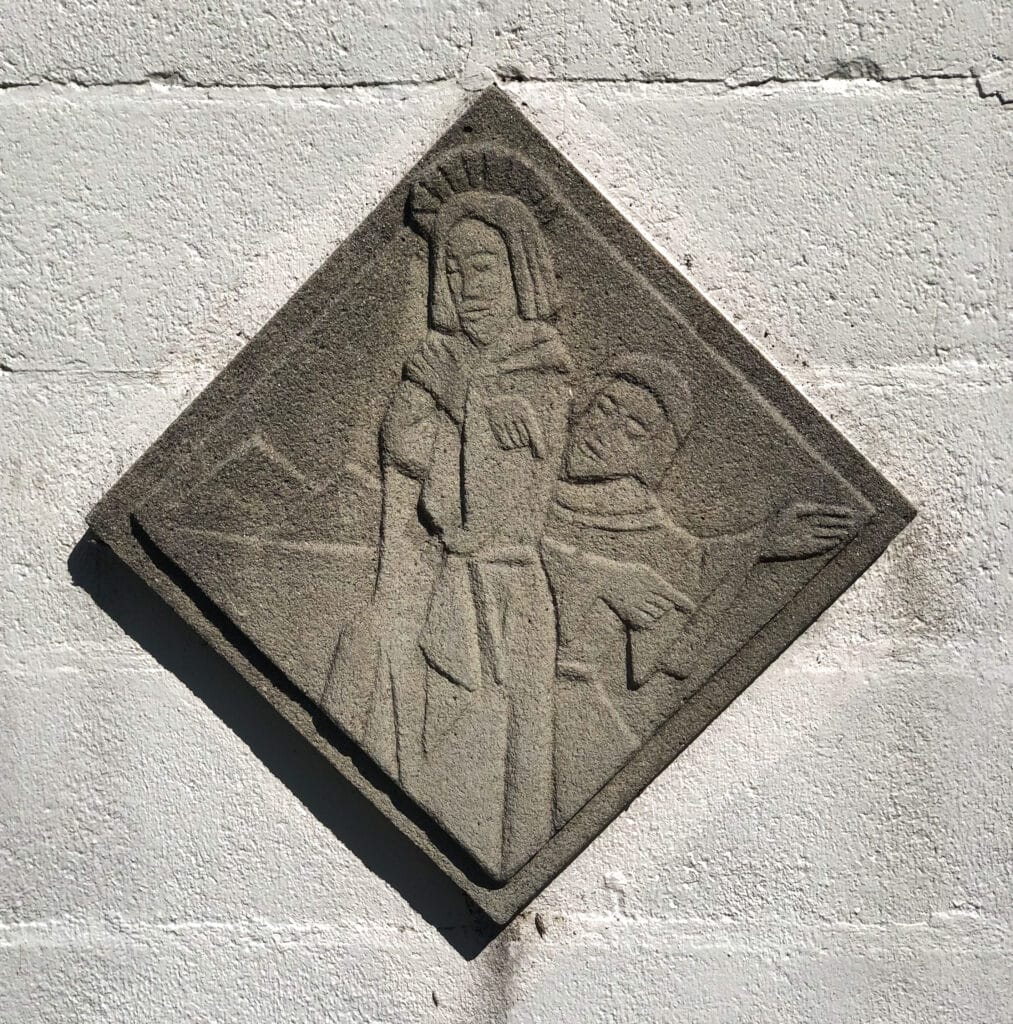
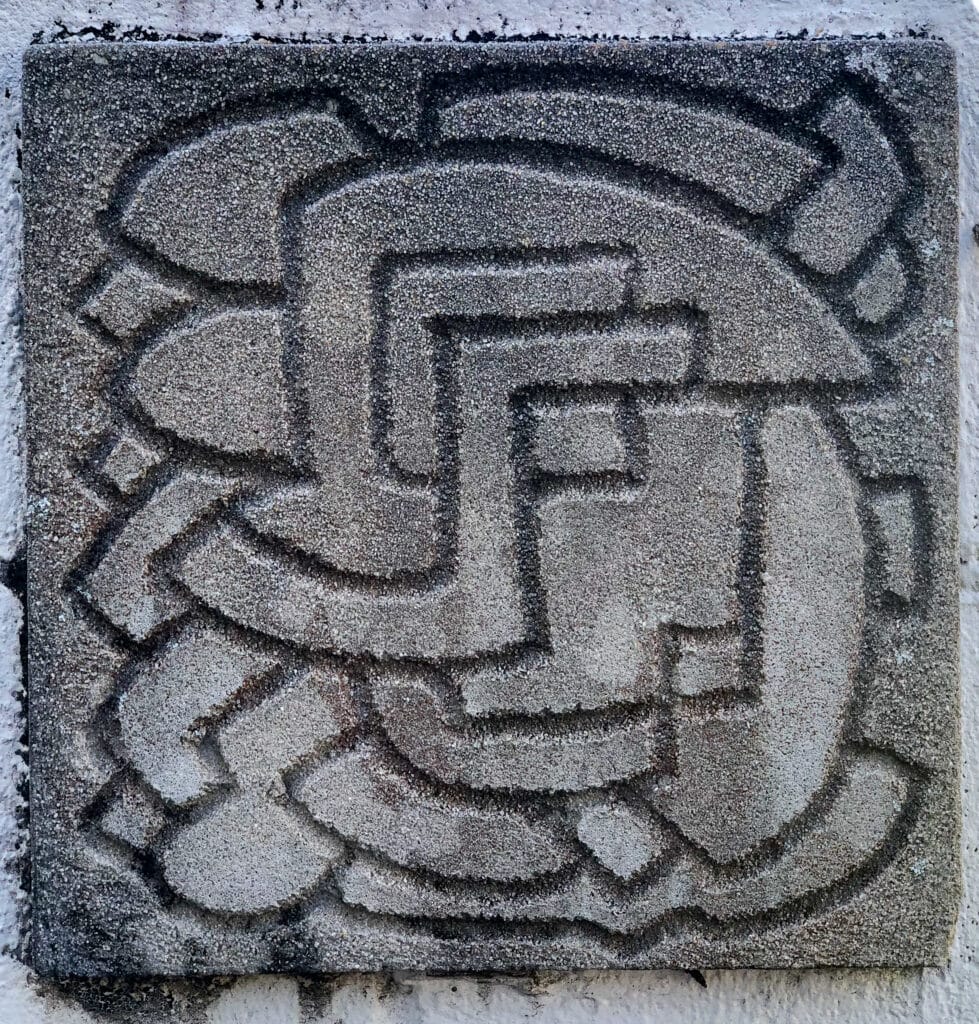
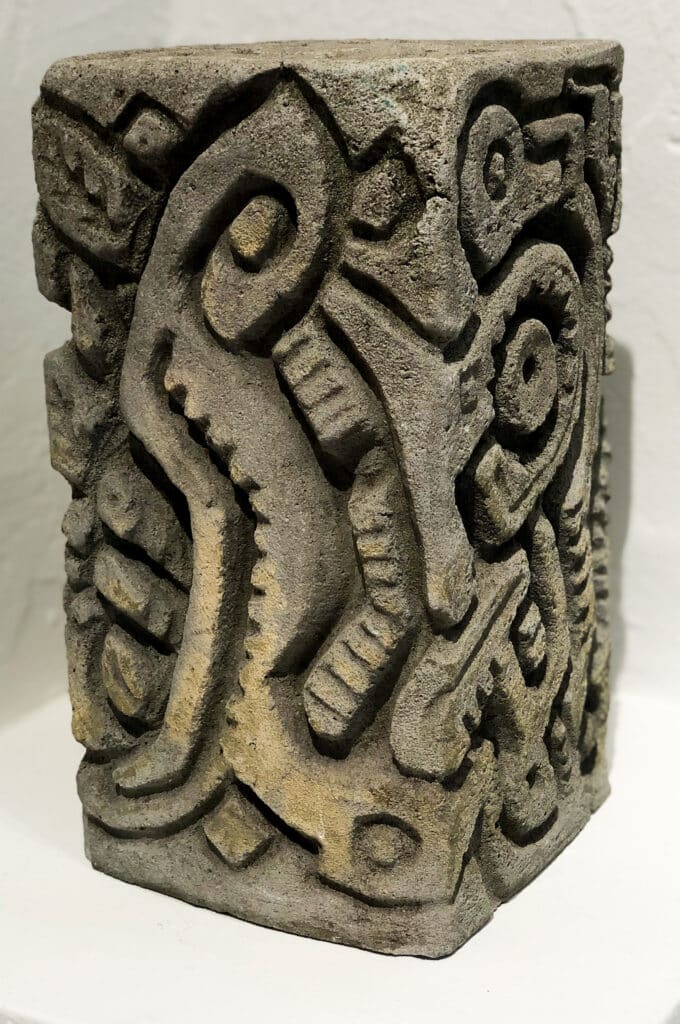
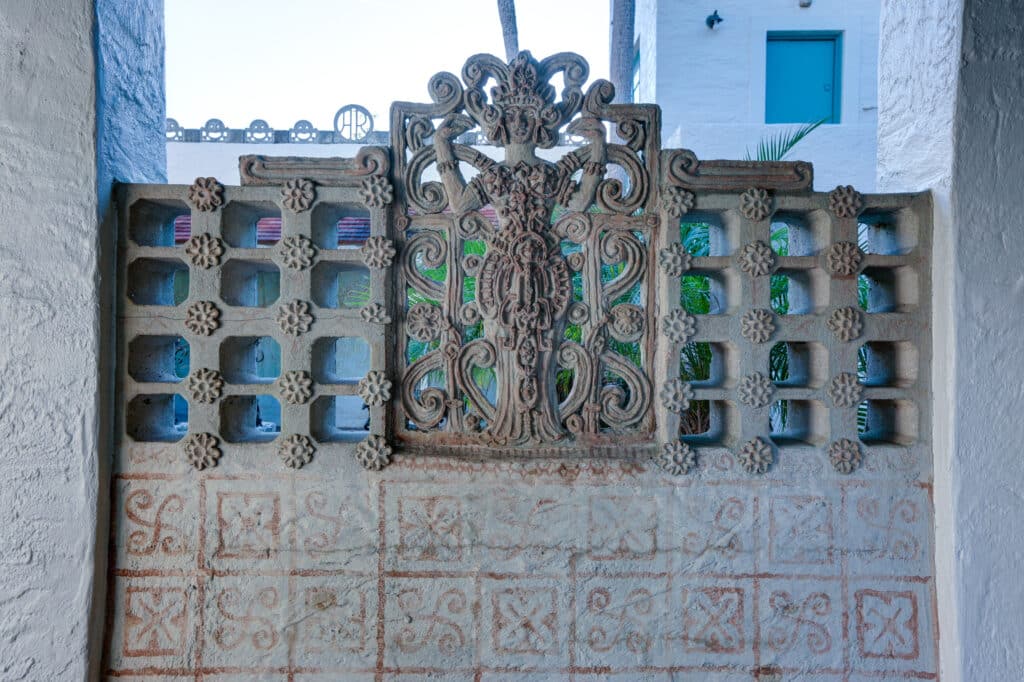
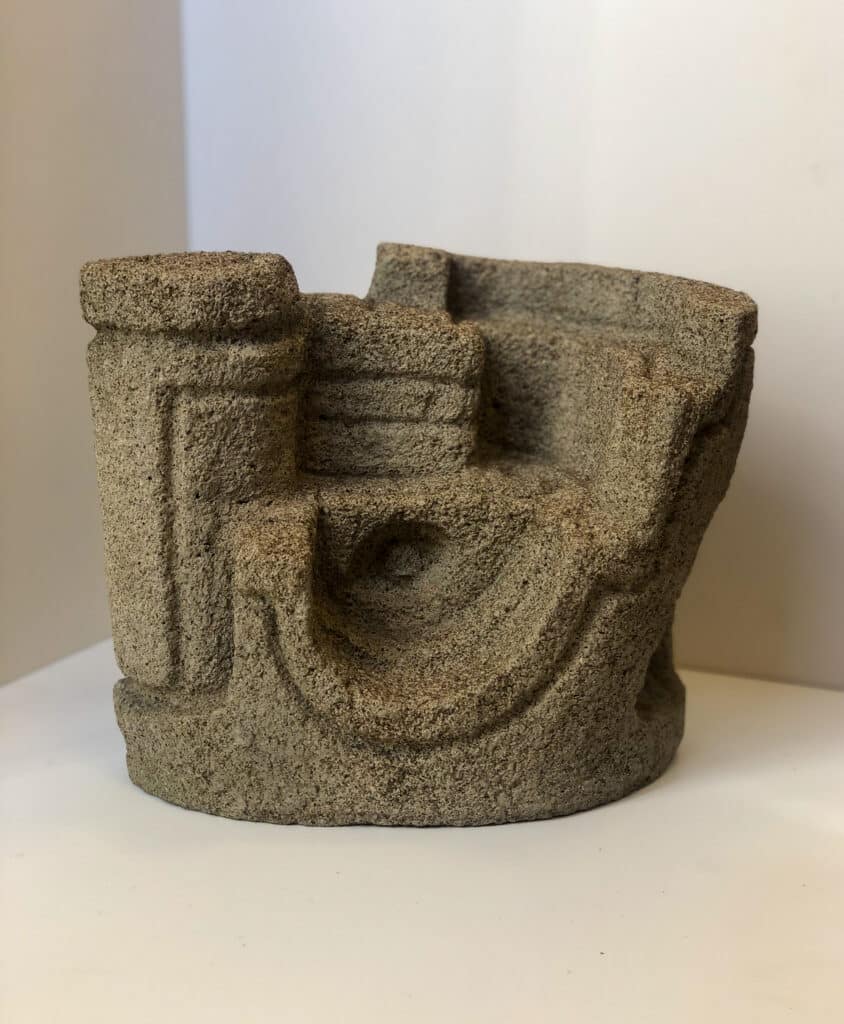
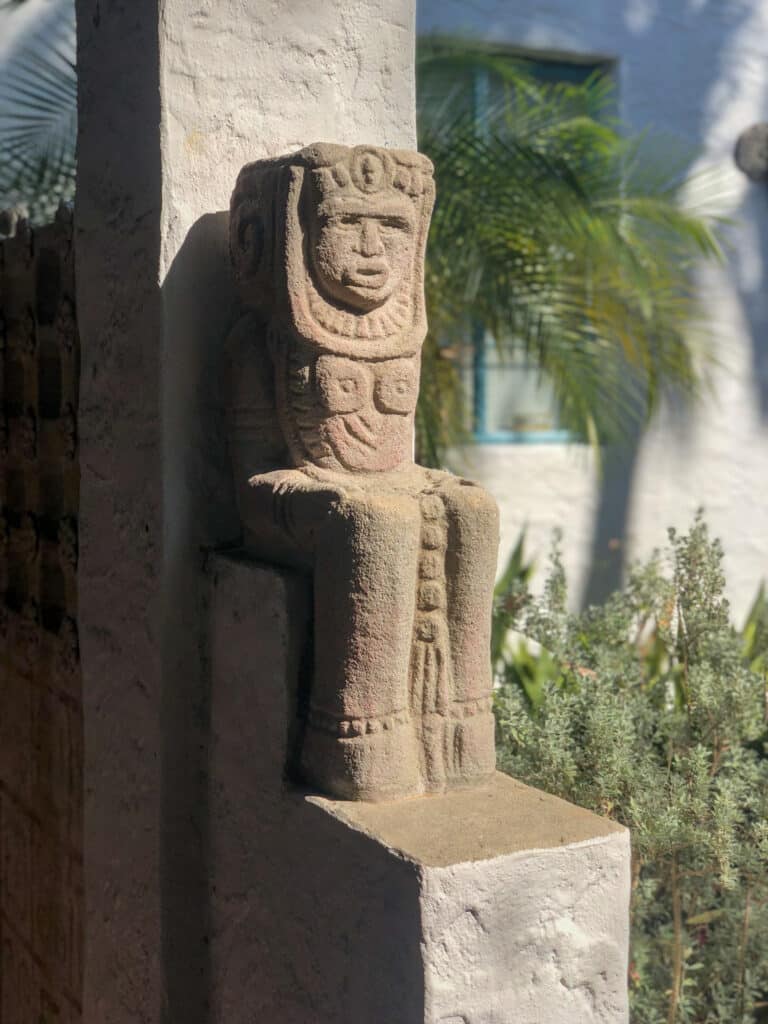
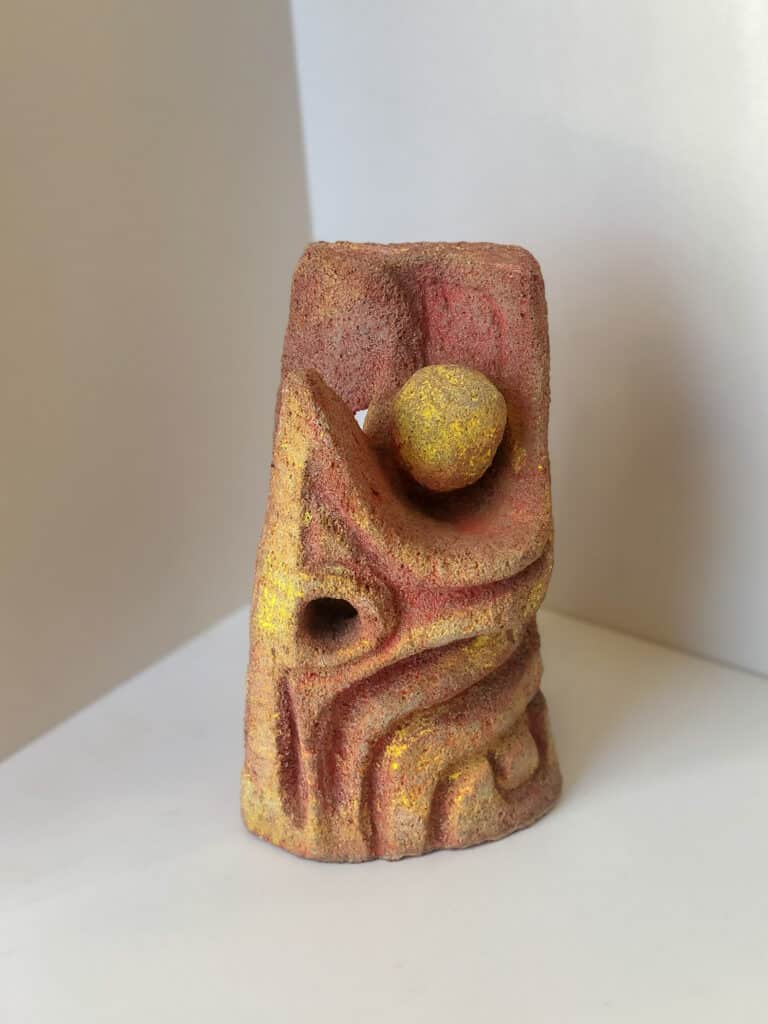
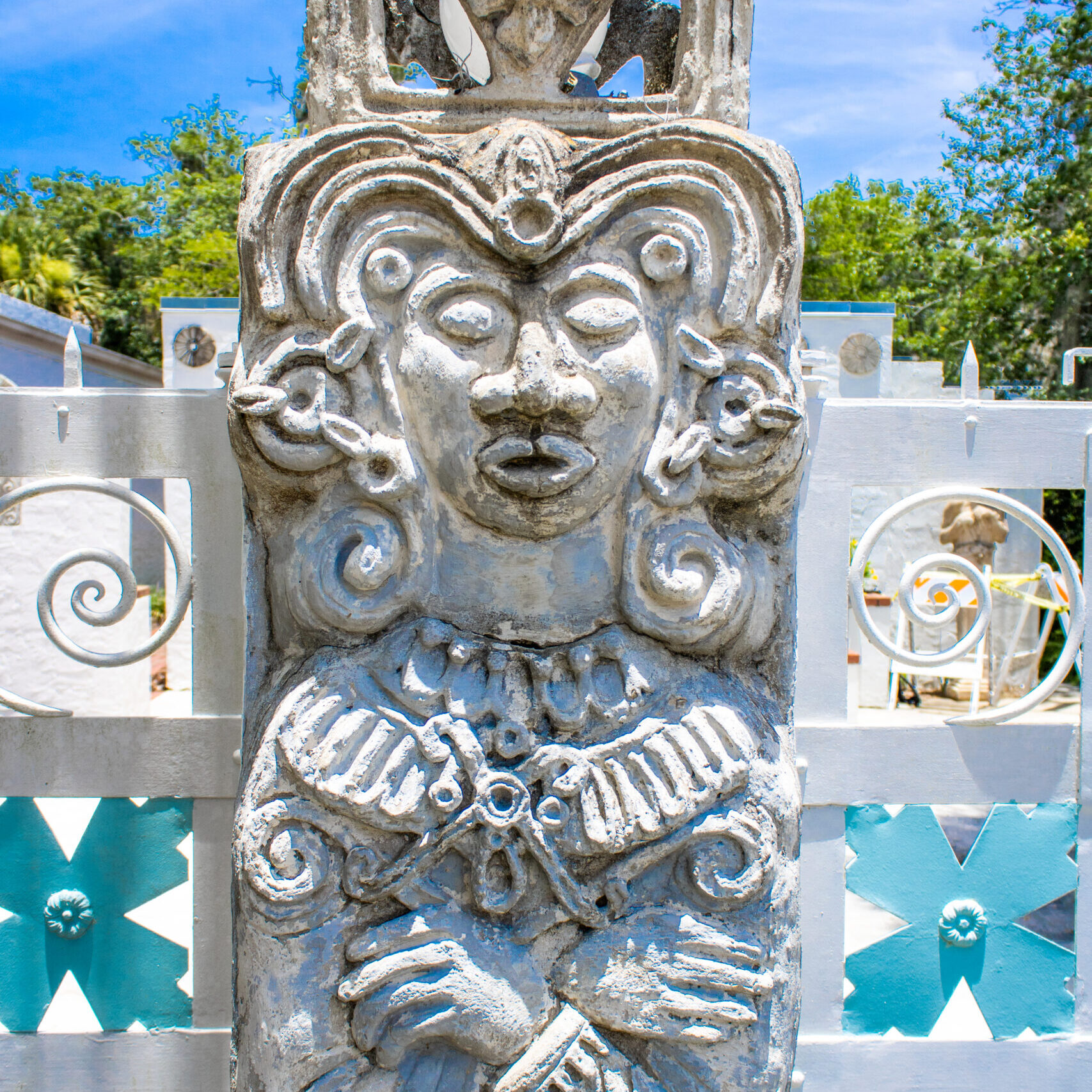
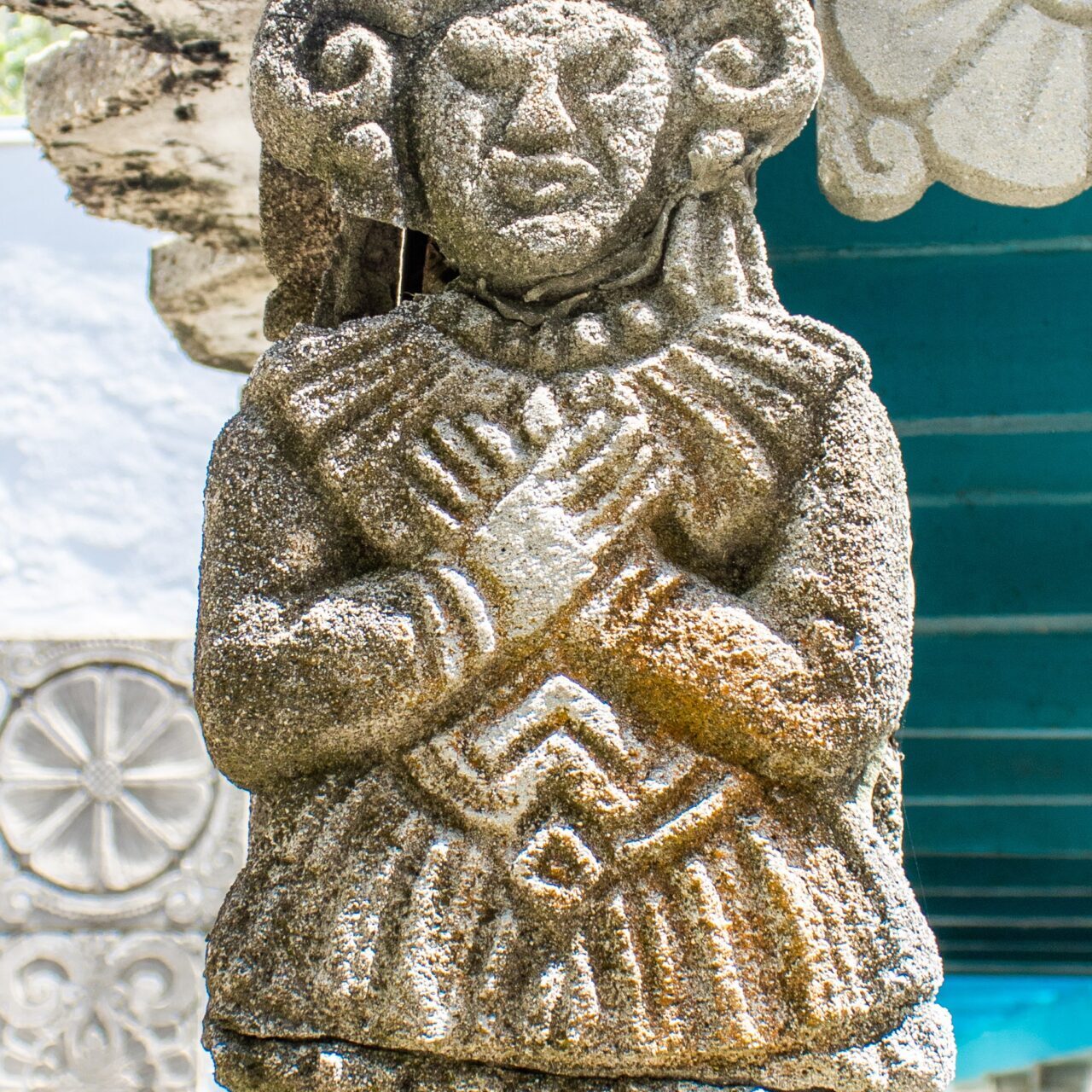
André Smith was not only a painter, architect, and printmaker, he was also a prolific sculptor who developed his own method for working in concrete. His sculptural work helped define the unique aesthetic of the Research Studio, now known as the Maitland Art Center.
An Inventive Process
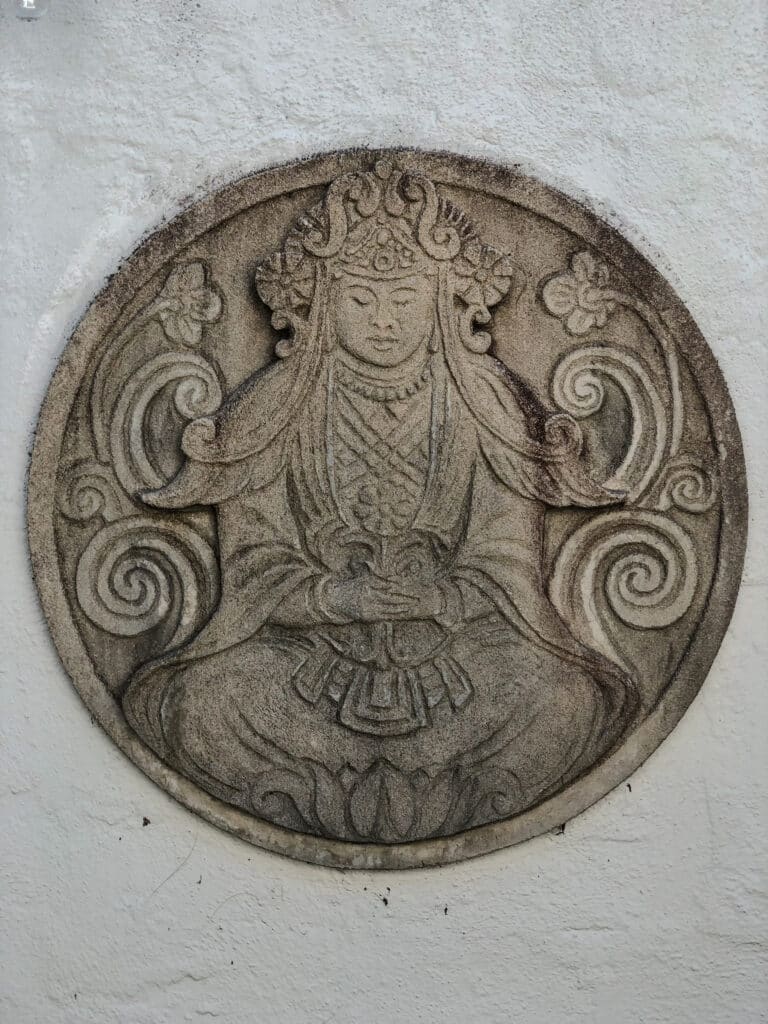
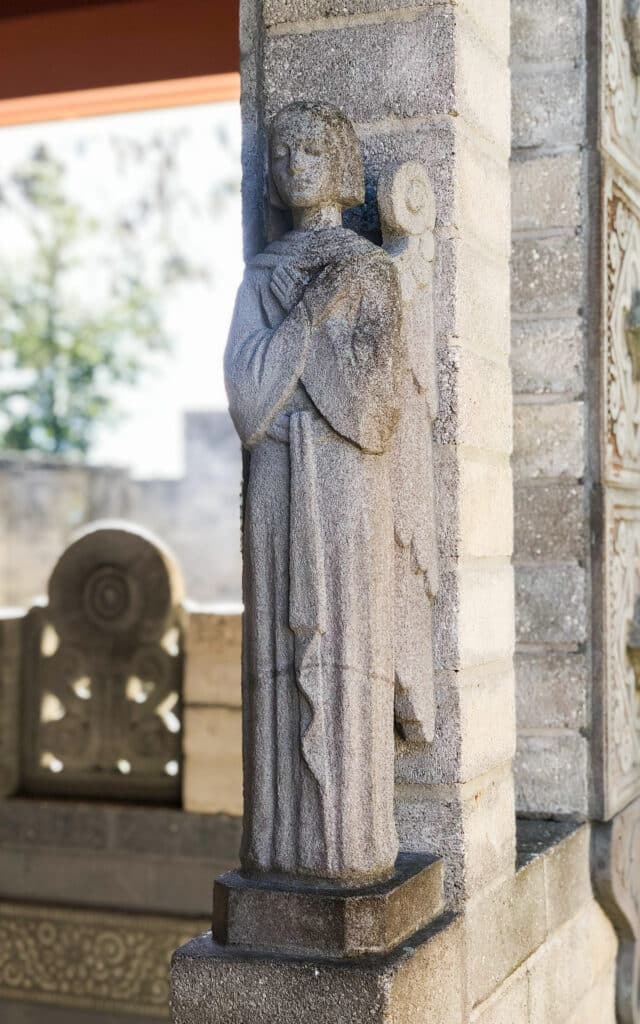
In his early concrete works, Smith applied material directly onto blocks, shaping it by hand. This technique created an expressive, almost “soupy” texture that gave the works a dynamic, sculptural immediacy.
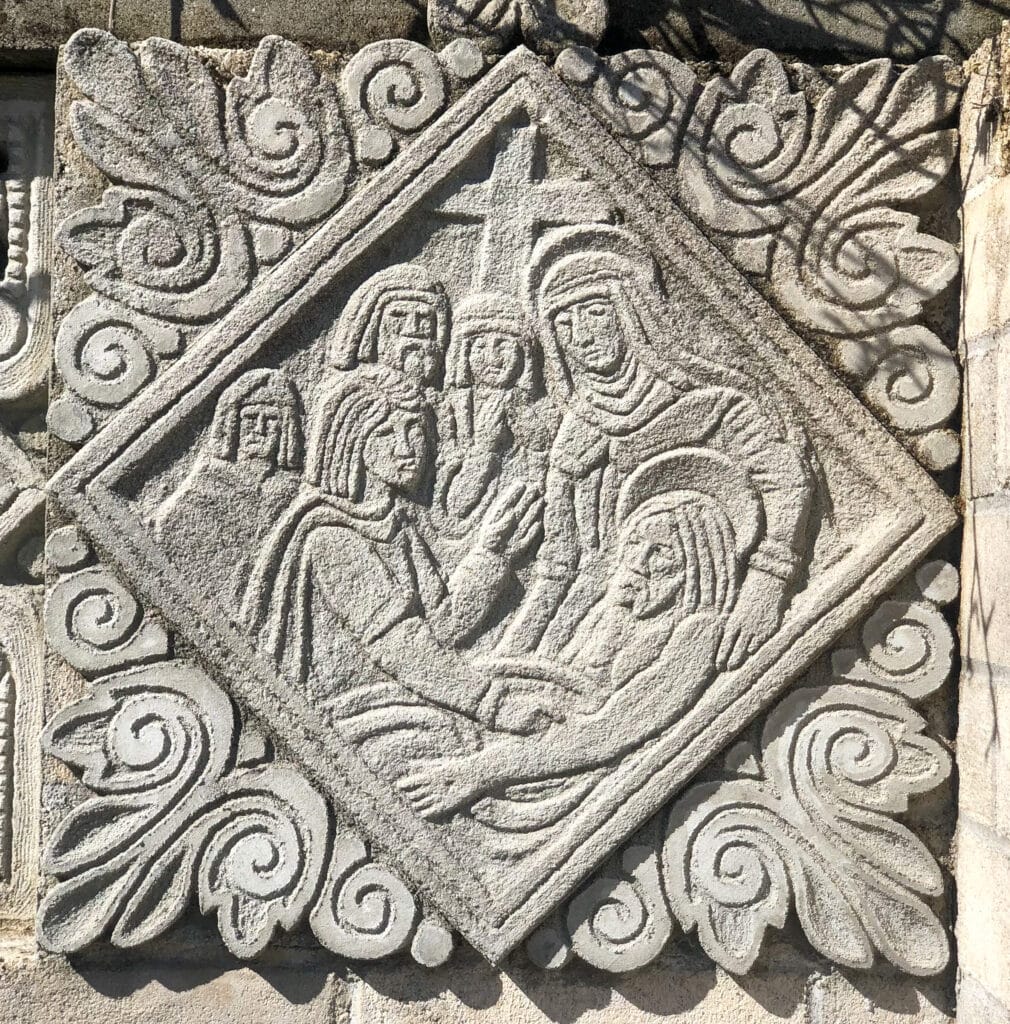
Later, Smith refined his approach with a device of his own invention, a tilting frame he called the “teeter-table.” This frame allowed him to pour concrete into a mold and then tilt the entire structure to a 45-degree angle, making it easier to carve directly into the surface.
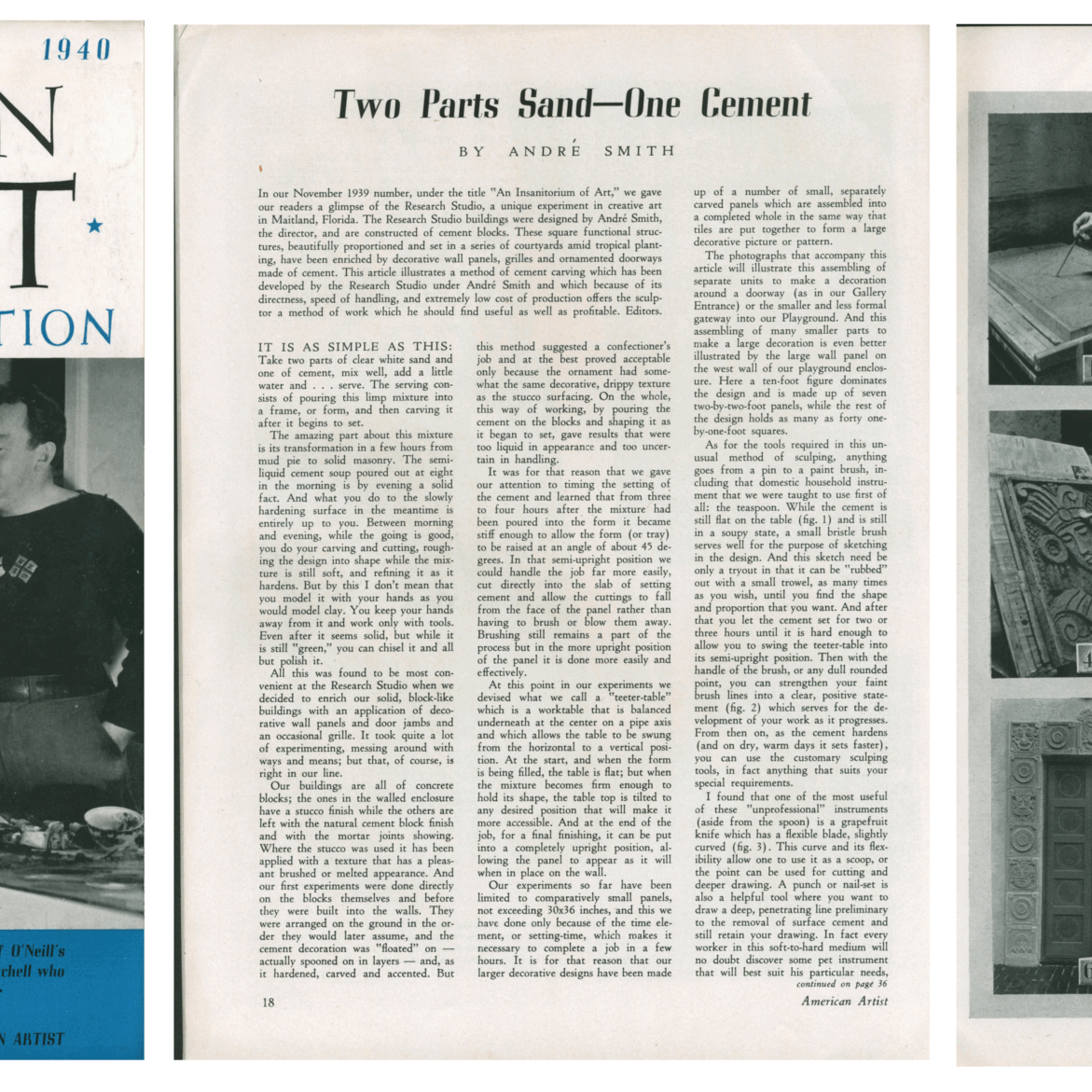
In a 1940 article in American Artist, Smith described his unorthodox methods with characteristic wit. He listed a grapefruit knife as one of his favorite carving tools and summed up his concrete “recipe” this way: “Take two parts white sand and one of cement, mix well, add a little water and…serve.”
Paper Mâché and Late Work
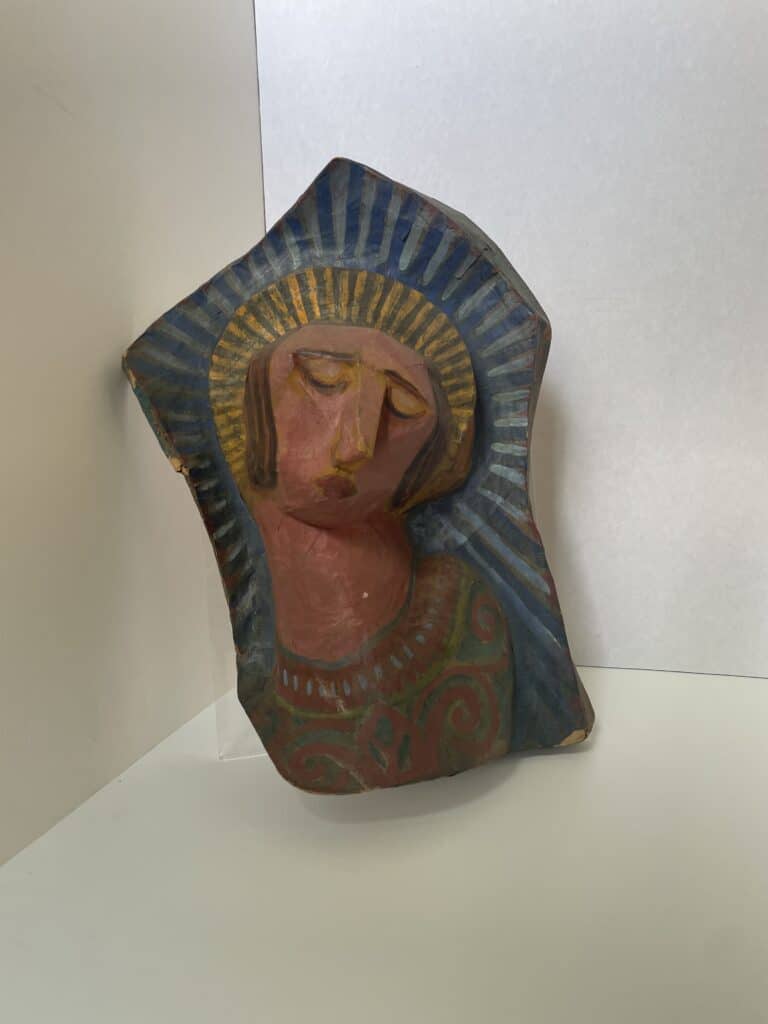
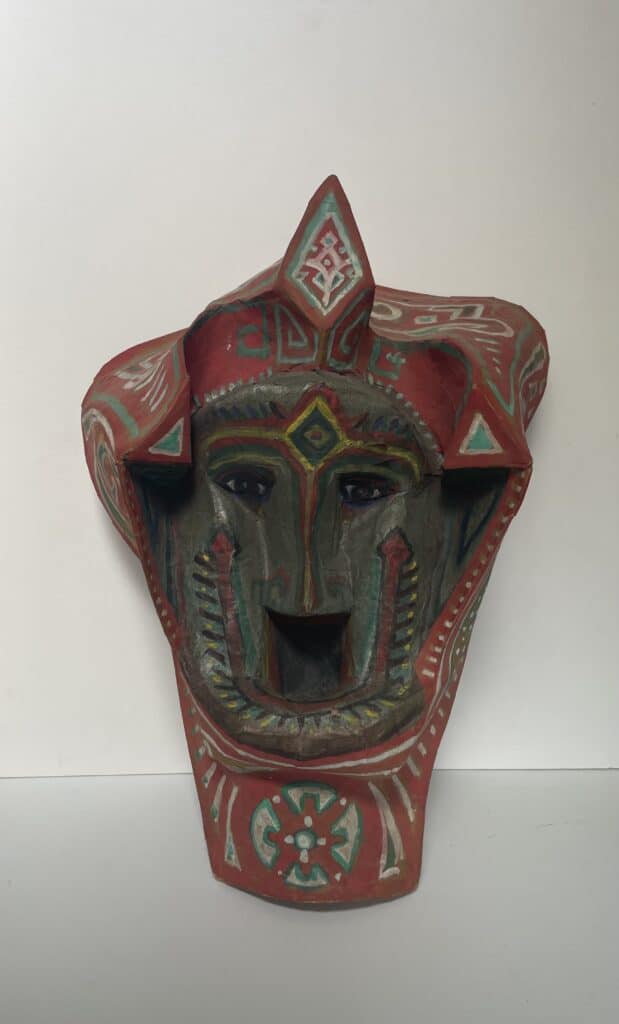
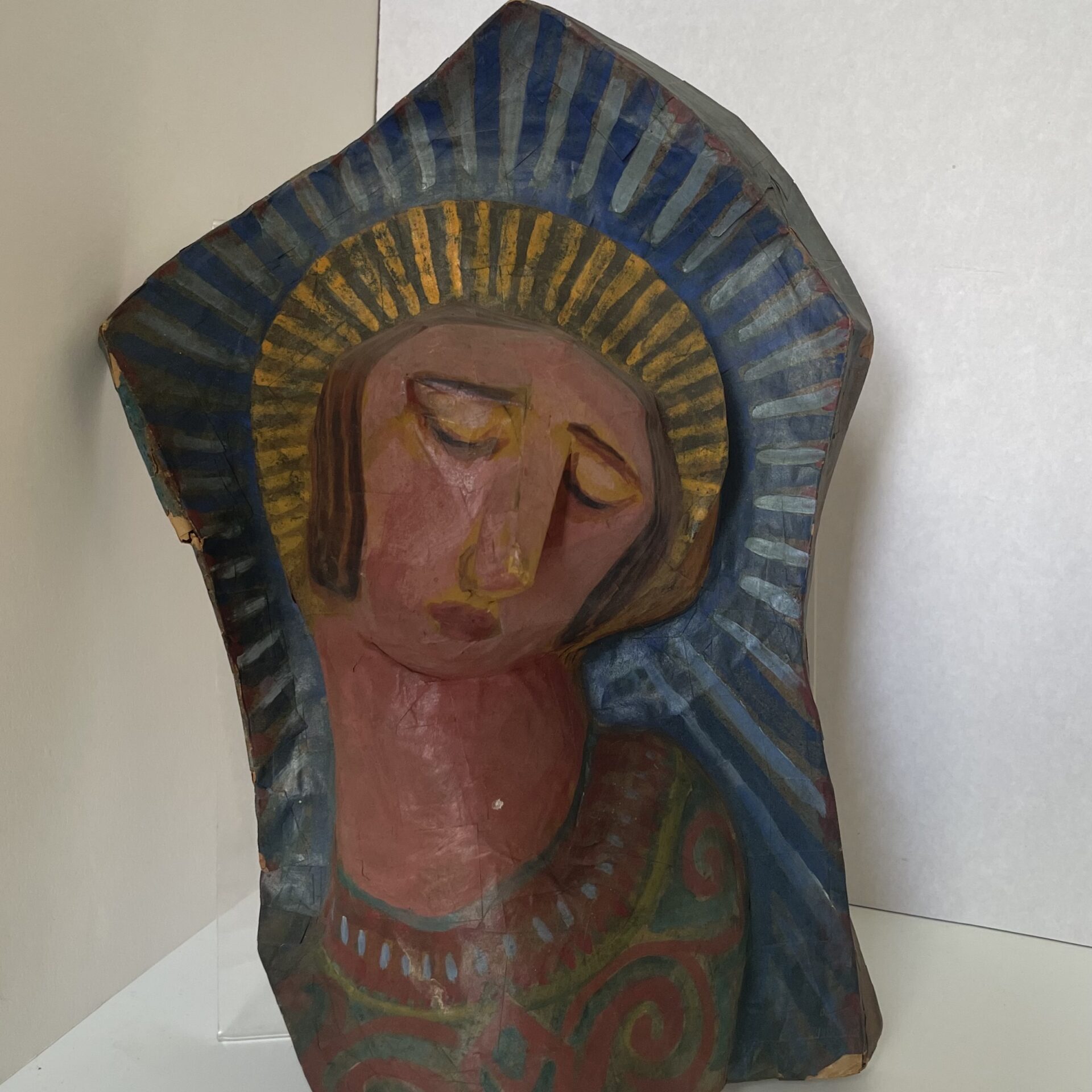
As his eyesight declined later in life, Smith turned to paper mâché as an alternative medium. This wall-hanging sculpture, affectionately nicknamed “Paper Mary”, reflects his enduring faith and his interest in religious iconography, a recurring theme throughout his work.
Painting in Plaster
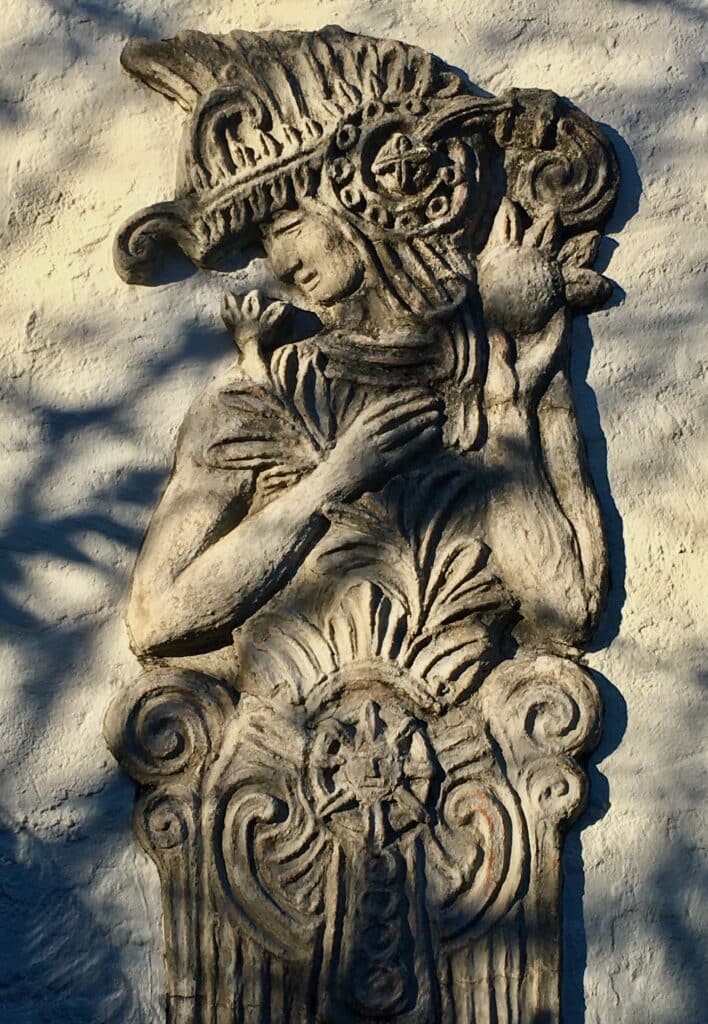
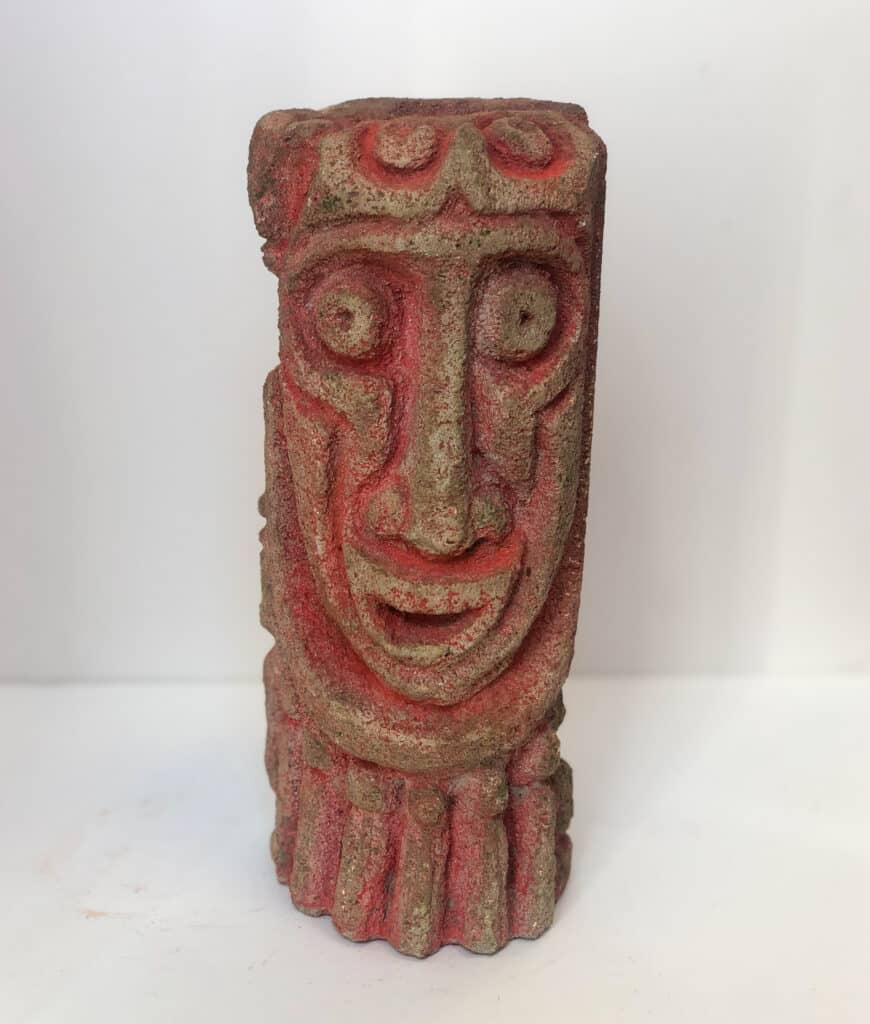
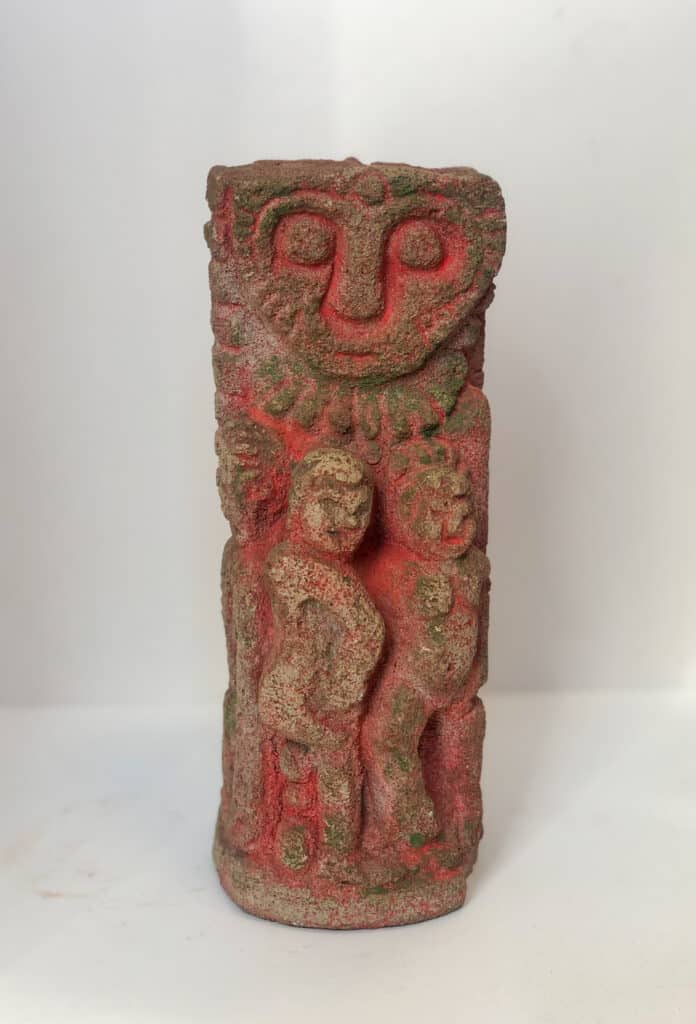
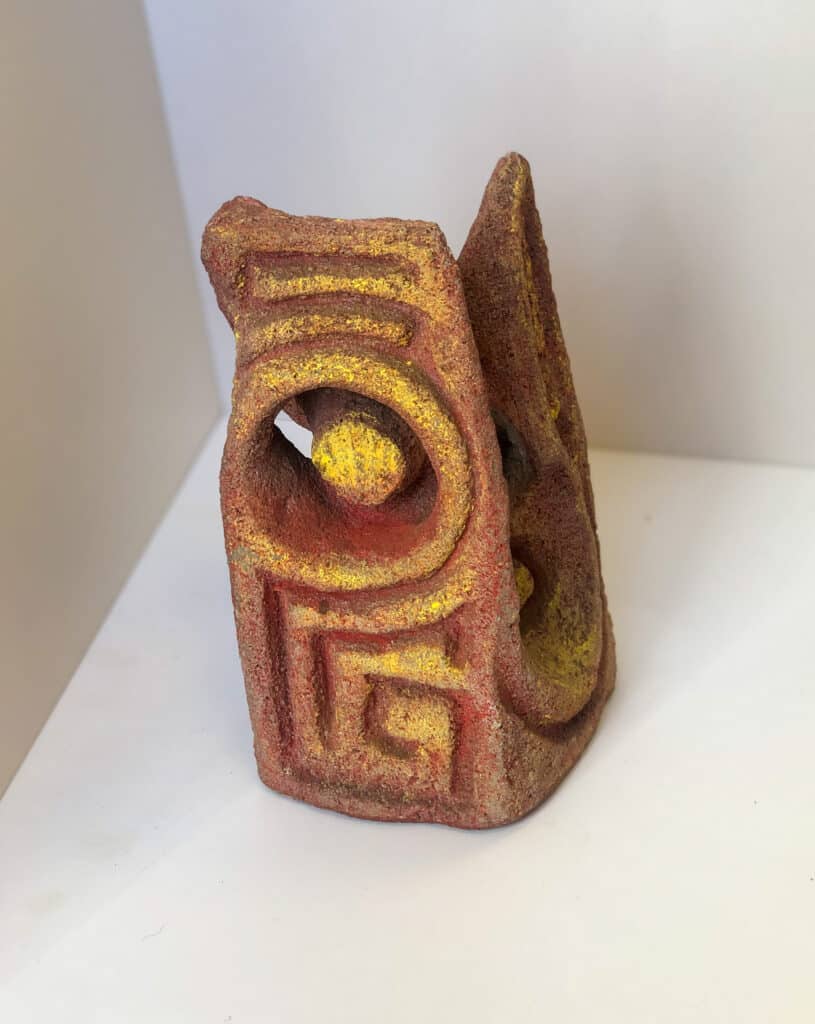
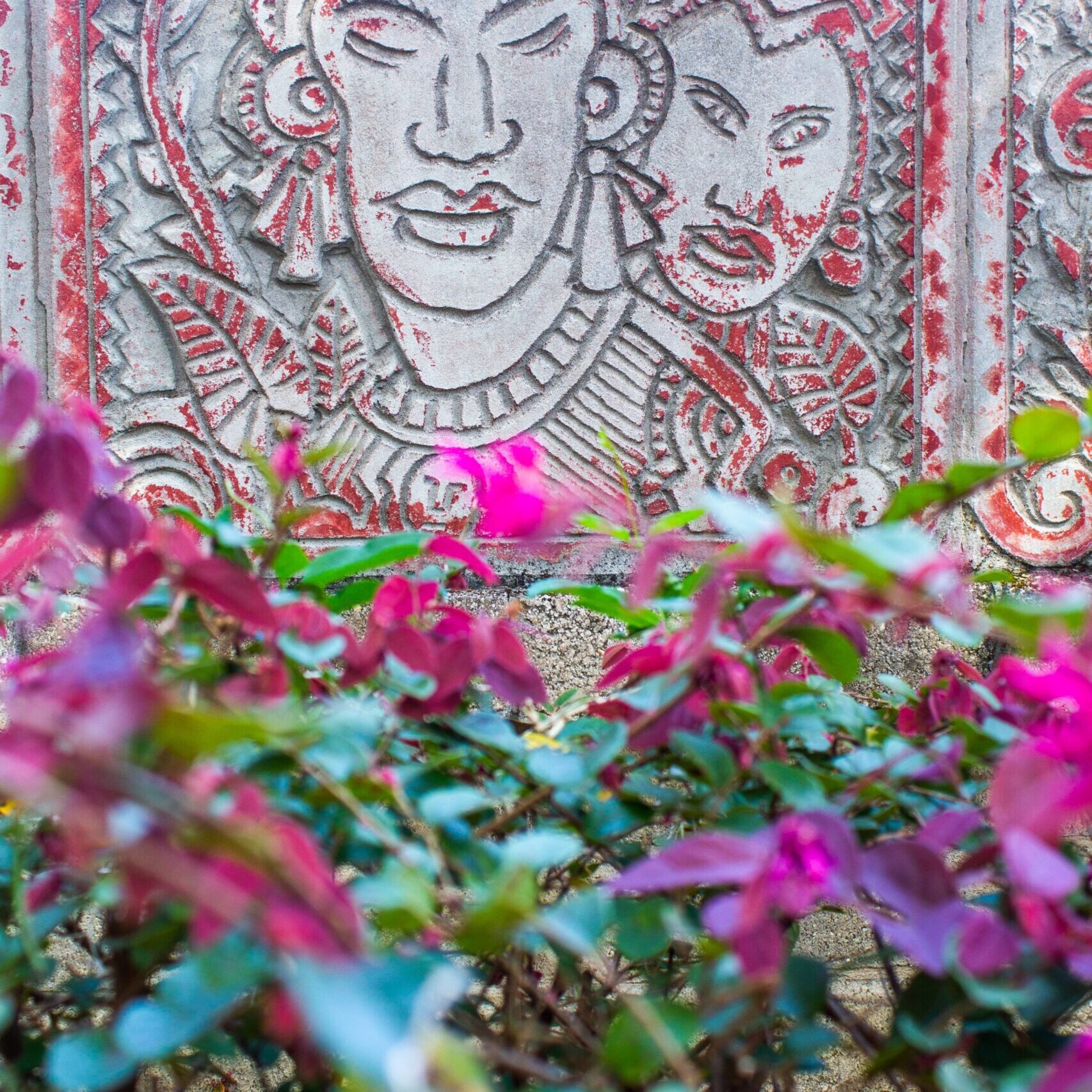
Much of Smith’s sculptural work at the Research Studio was originally painted in vivid hues using alabastine, a powdered mineral paint made from gypsum mined near Grand Rapids, Michigan. When mixed with water, alabastine resembles plaster and can be applied directly to concrete, making it ideal for raised decorative elements and reliefs.
Although most of the original color has faded, a few areas on campus still reveal traces of Smith’s original painted surfaces.
Visit the Sculptural Legacy
More than 2,000 sculptural works, created by Smith and artists he invited to the Research Studio, can still be seen on the grounds of the Art & History Museums of Maitland. From architectural ornament to figurative reliefs and abstract carvings, the site stands as a living gallery of Smith’s concrete artistry.