

Jules André Smith: Founder of the Art & History Museums of Maitland
At the heart of the Art & History Museums of Maitland is a legacy shaped by visionary artist Jules André Smith. As the founder of what is now our main campus, the Maitland Art Center, a designated National Historic Landmark, Smith laid the foundation for our identity as a hub for creativity and innovation. His influence on Central Florida’s art scene endures, inspiring artists across generations and disciplines.
Early Life and Education
Born in 1880 in Hong Kong, J. André Smith spent his early childhood in Hamburg, Germany, before his family relocated to the United States in 1890. These cross-cultural experiences would leave a lasting impression on his artistic development, sparking lifelong interests in religion, mythology, and world cultures. Though he dreamed of becoming a full-time artist, Smith chose a more practical path at the urging of his family, studying architecture at Cornell University. He earned both bachelor’s and master’s degrees and co-founded the firm Smith & Ross. Yet his passion for art steadily grew, and he taught himself etching in 1908, and over time, increasingly focused on his artistic practice rather than his architectural career.
Recognition and Artistic Success
In 1910, Smith met etcher Ernest David Roth, and the two artists traveled throughout Europe between 1911 and 1914, sketching and refining their printmaking skills. In 1915, Smith’s etchings were awarded the Gold Medal at the Panama Pacific International Exposition, establishing his reputation in the American art world.
World War I and a Personal Turning Point
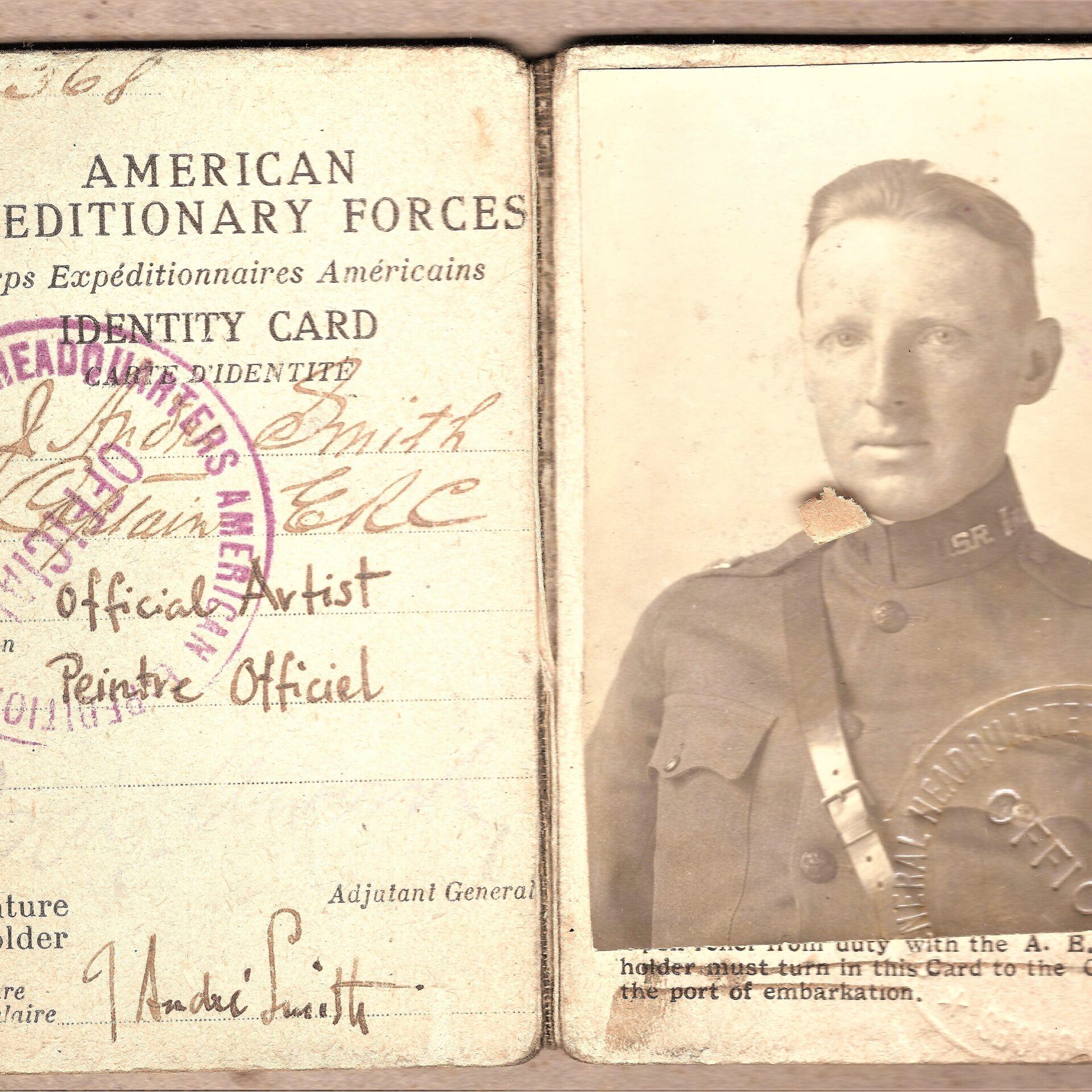
Smith’s trajectory changed with the onset of World War I. He joined the Camouflage Corps and later became an official War Artist with the American Expeditionary Forces, documenting the devastation of war in France. These experiences, captured in his 1919 book In France with the American Expeditionary Forces, left a lasting mark on both his work and worldview.
After the war, while working in theater and exhibiting in Connecticut and New York, Smith's health began to decline from complications of a war injury. The result was the eventual amputation of his left leg above the knee, a devastating experience that prompted a spiritual and creative rebirth. Smith described this period as one of “rising from the dead,” and it marked his full embrace of modernism.
Friendship with Duke Banca
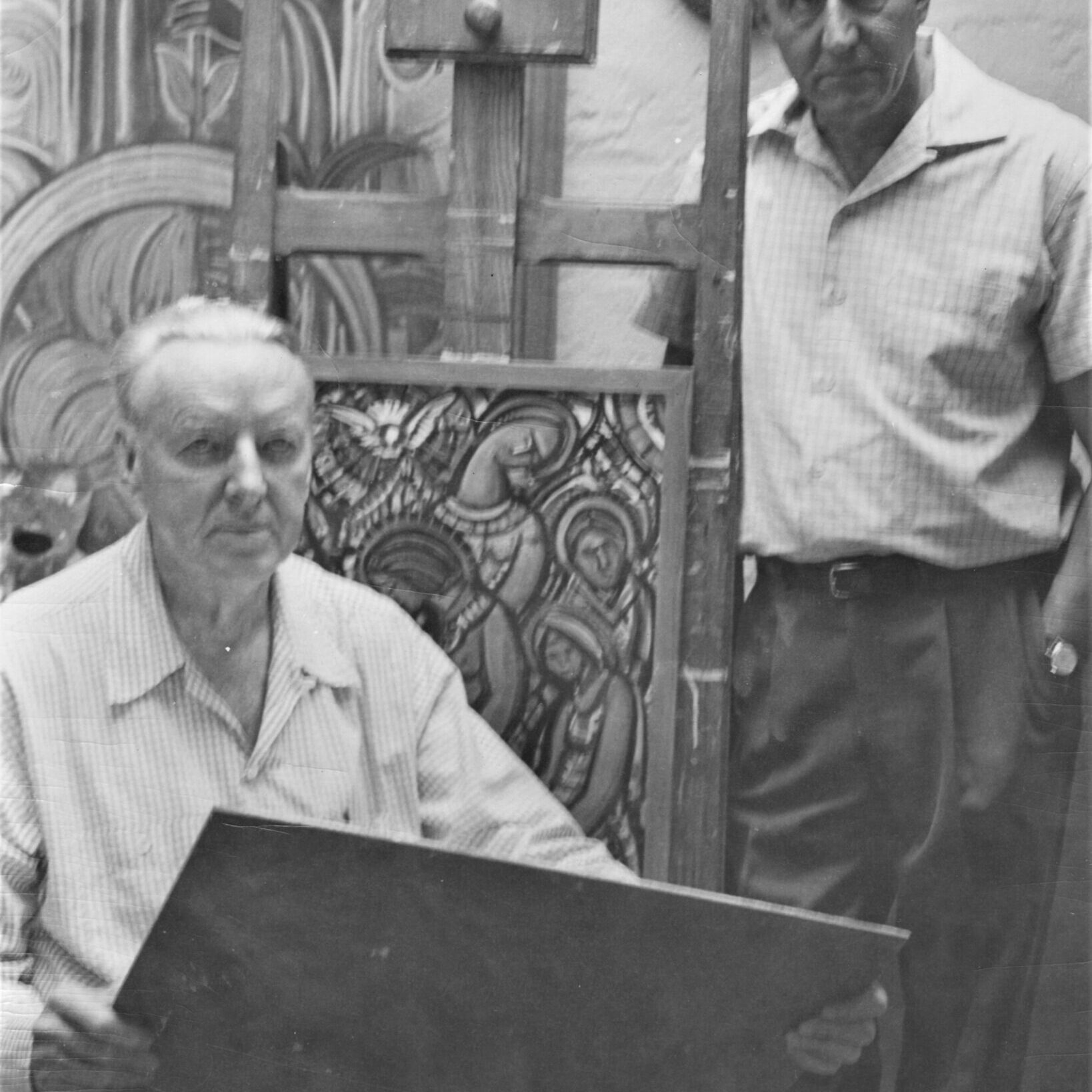
During this difficult period, Smith was cared for by Attilio “Duke” Banca, who began as his chauffeur and studio assistant but quickly became his closest friend and lifelong companion. Their friendship was deep and enduring, with Duke becoming an essential part of Smith’s daily life, and Smith coming to view him as a son-like figure. When Duke married Florence Levassa in 1936, she joined their household. The trio spent winters in Maitland and summers in Stony Creek, Connecticut, where they shared a home and artistic life.
A New Chapter in Florida
Smith began visiting Central Florida in 1927, traveling with Banca to explore the region and sketch its natural beauty. He became enchanted with the sandy byways and small towns of the region, including neighboring Eatonville, the oldest Black-incorporated township in the U.S., which became a frequent subject in his paintings. At some point, Smith also met author and anthropologist Zora Neale Hurston, who became a lifelong friend.
Smith eventually purchased land on Lake Sybelia in Maitland, where he built a winter home and studio and immersed himself in the area’s cultural life.
Art and the Subconscious
In the 1930s, Smith began experimenting with subconscious drawing and automatic painting, ultimately creating dozens of surrealist watercolors, which today are regarded as one of his most significant bodies of work. These works culminated in the publication Art and the Subconscious, printed onsite at the Maitland studio, where he articulated the role of the unconscious in artistic exploration.
Meeting Mary Curtis Bok and Founding the Research Studio
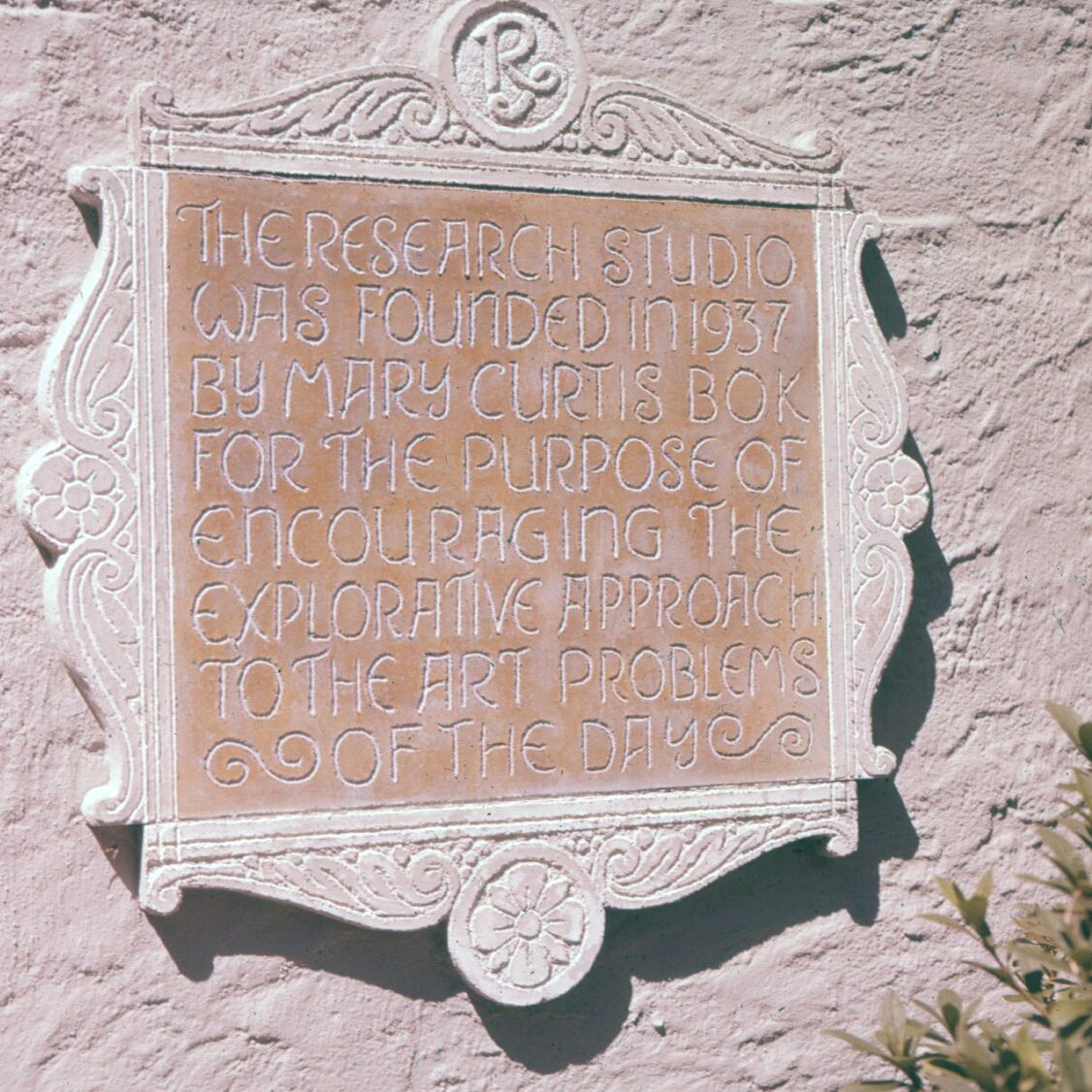
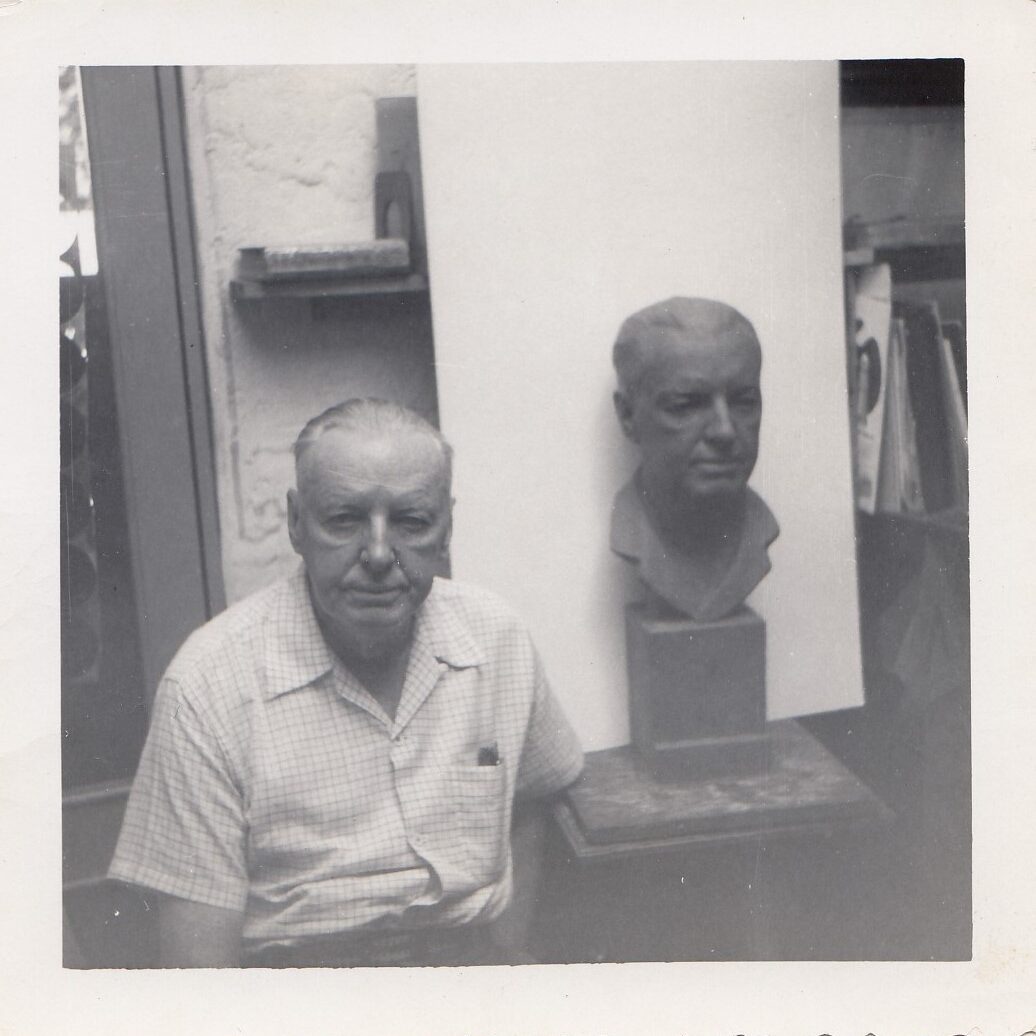
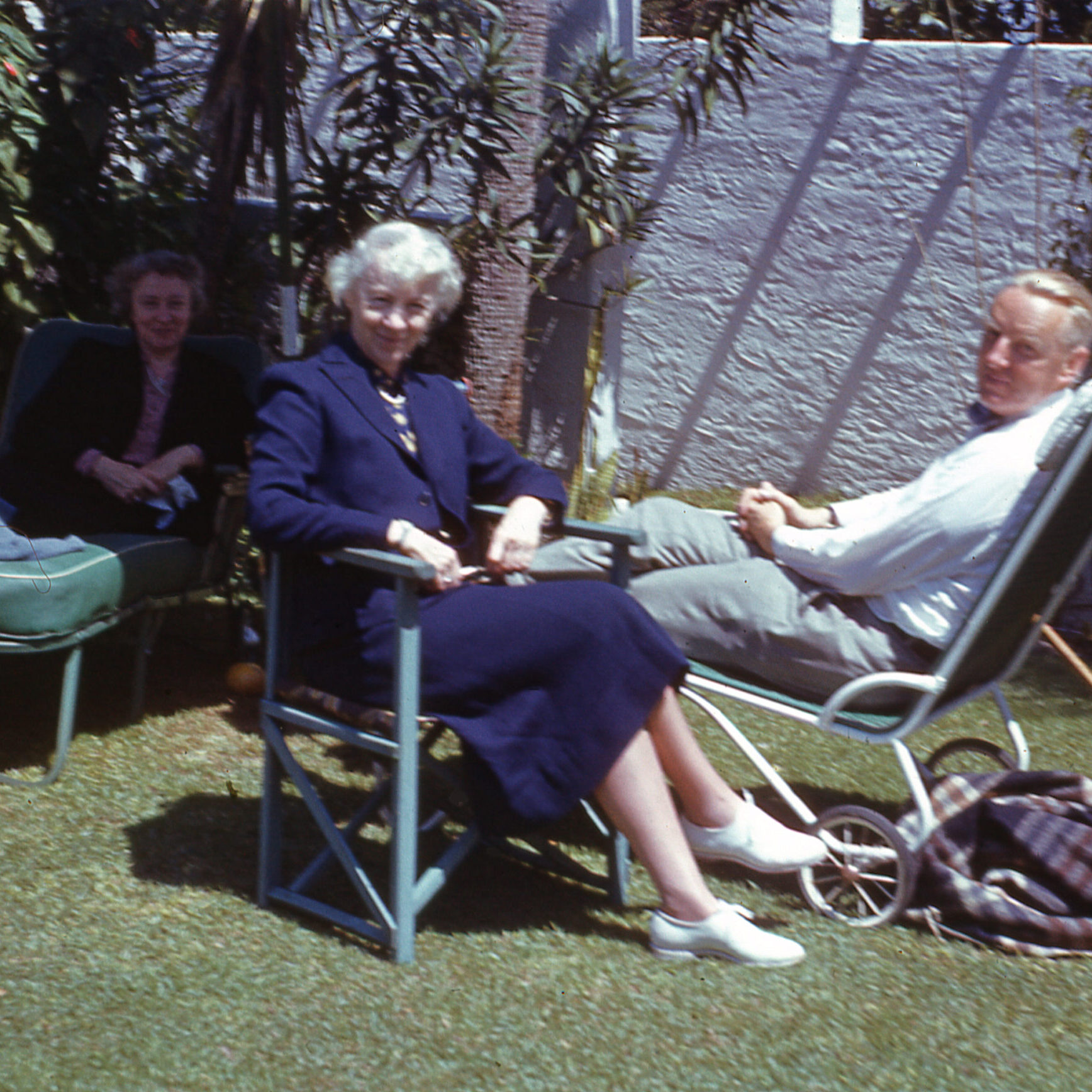
In 1936, Smith met philanthropist Mary Curtis Bok at the funeral of actress Annie Russell, who had been a mutual friend. The two bonded instantly over their shared love of modern art and quick wit. Their friendship proved transformative. Concerned about the lack of space for experimental art in Central Florida, they co-founded the Research Studio in 1937.
The Research Studio, now the Maitland Art Center, was the third gallery in Florida and the first dedicated exclusively to modern art. A sanctuary for creative experimentation, the site invited artists to “crash all barriers and see what you can bring to light.” Smith encouraged them to abandon safe investments and dive into the unknown. The Research Studio hosted over 65 artists between 1937 and 1959, known as the Bok Fellows, who lived and worked in the compound’s fantastical studios and gardens.
Learn more about the Research Studio
Architecture and Artistic Vision
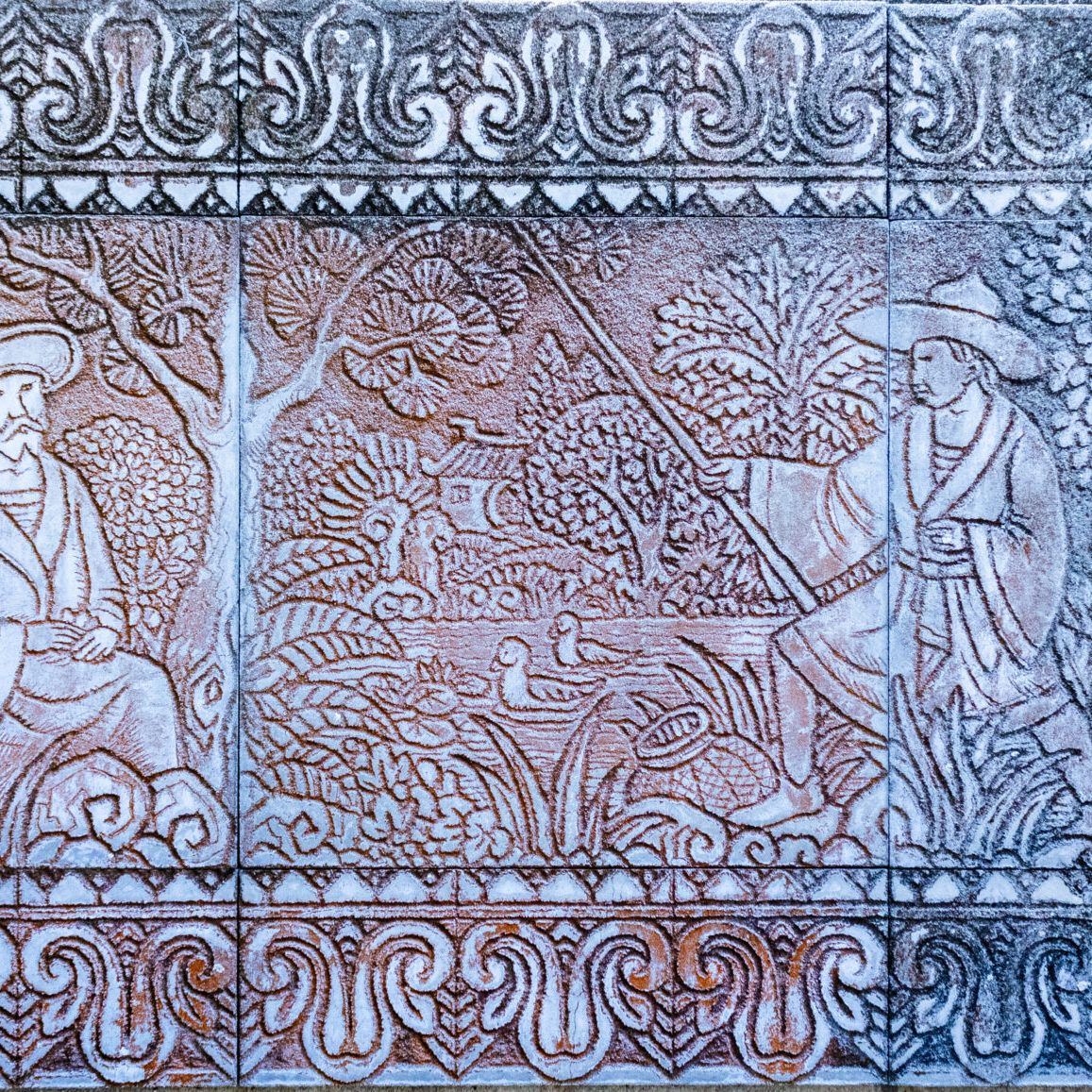
Smith designed every detail of the Research Studio’s architecture, blending Mayan Revival style with Christian and East Asian influences, reflecting his Episcopal faith and early childhood in Hong Kong. The result is one of the most intact examples of Mayan Revival architecture in the country, and a space that continues to spark imagination. The site features more than 2,500 hand-carved and cast sculptural reliefs, turning the entire campus into a living gallery.
Smith also continued to experiment in other aspects of his artistic practice. His interest in new forms persisted into the late 1940s, expanding into magical realism and abstraction, even as he continued to paint representational works.
Legacy
Smith remained active at the Research Studio until his death in 1959, continuing to paint and sculpt throughout his final years. Today, the Art & History Museums of Maitland carries forward his commitment to creative freedom and architectural beauty. His spirit lives on in every class, exhibition, and residency that takes place on the historic grounds he imagined nearly a century ago.