

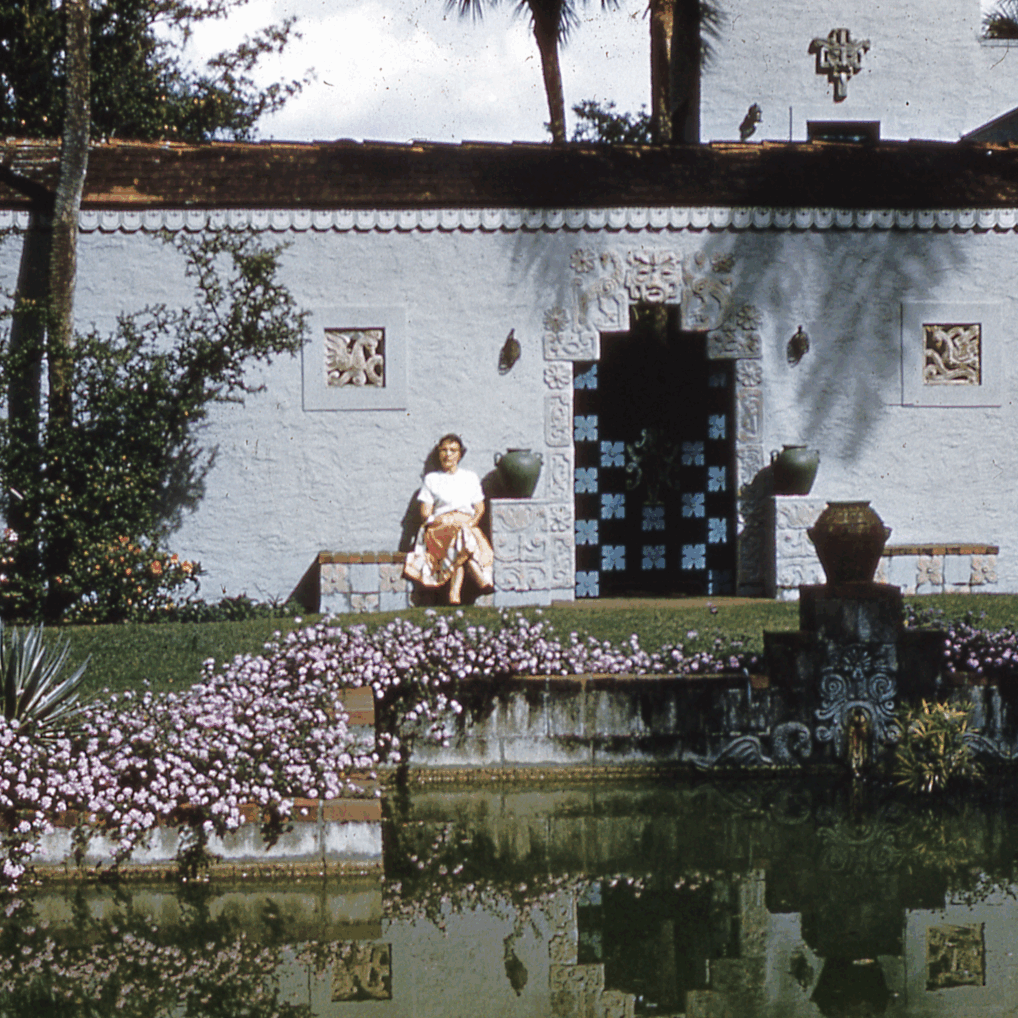
Discover Art and History in Maitland
The Art & History Museums of Maitland (A&H) is more than a collection of museums: It's a living cultural campus where past, present, and future converge. Through rotating exhibitions, artist residencies, and inclusive educational programs, A&H invites people of all ages and backgrounds to engage with art and history in meaningful ways.
At the center of it all is the historic Research Studio, a National Historic Landmark designed by visionary artist and architect Jules André Smith. Once a haven for modernist experimentation, the site now serves as a platform for emerging and established artists to explore new ideas and share them with the community. From hands-on learning to contemporary exhibitions, A&H remains a space where creativity is not only preserved, but constantly evolving.
Two Campuses, Four Museums, One Cultural Landscape
A&H spans two campuses featuring four unique museums.
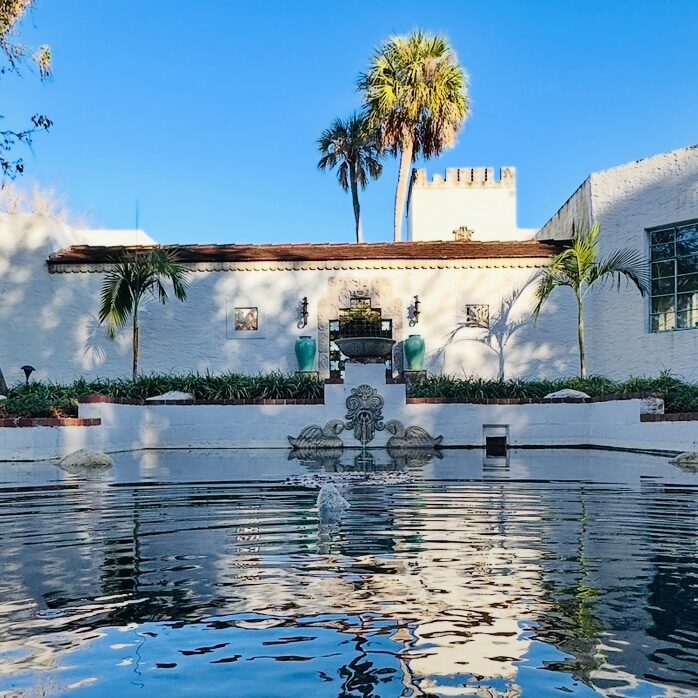
Maitland Art Center
Greater Orlando’s only National Historic Landmark, the Maitland Art Center, is a living legacy of modernist innovation. Jules André Smith envisioned this campus as a haven for creative exploration, where artists could “crash all barriers” and chart new paths in their work. Between 1937 and 1959, more than 65 artists created at the site, including Milton Avery, Doris Lee, and Ralston Crawford.
Today, the site remains a catalyst for artistic risk-taking. The Art Center hosts contemporary exhibitions, an artist residency program, and community classes that carry forward Smith’s enduring belief in experimentation and possibility. The striking Mayan Revival architecture, hand-carved by Smith himself, makes the campus a work of art in its own right.
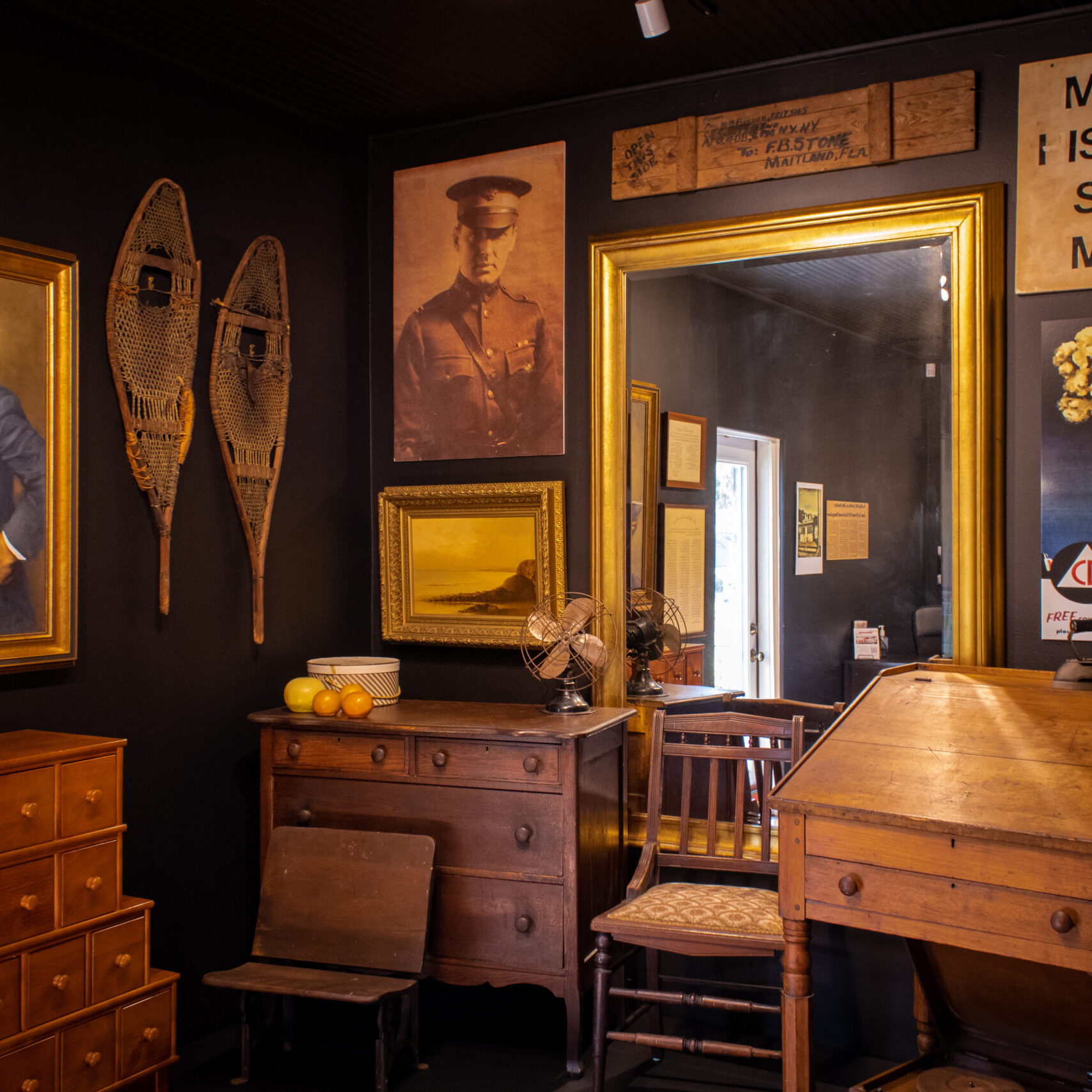
Maitland History Museum
The Maitland History Museum preserves the voices and objects of the town’s many chapters, from its Indigenous roots and 19th-century citrus boom to the mid-century changes brought by Florida’s space industry. With more than 100 artifacts, including handmade quilts, early citrus tools, family heirlooms, and communication devices, alongside archival photographs and interactive elements, guests of all ages will find meaningful connections to the people and events that helped define the community.
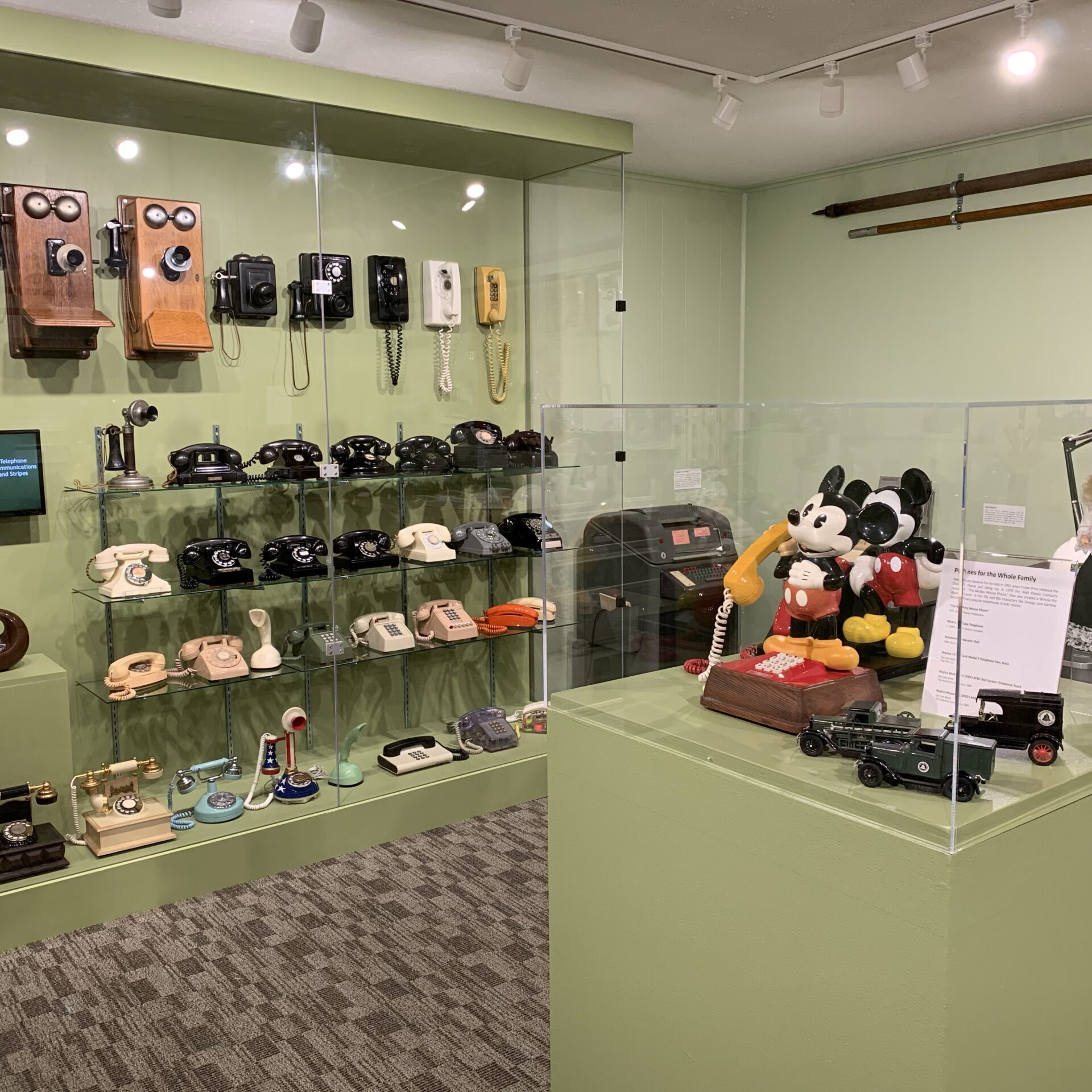
Telephone Museum
From crank-operated phones to the earliest switchboards, the Telephone Museum tells the story of how Maitland helped bring modern communication to Central Florida. Founded in 1910 by Carl Galloway, the Winter Park Telephone Company began with just ten customers, and soon became a vital link between neighbors, families, and businesses. With a working switchboard, vintage telephones, and hands-on exhibits, the museum offers visitors a tactile experience of how far we’ve come, and how local innovation helped shape the future.
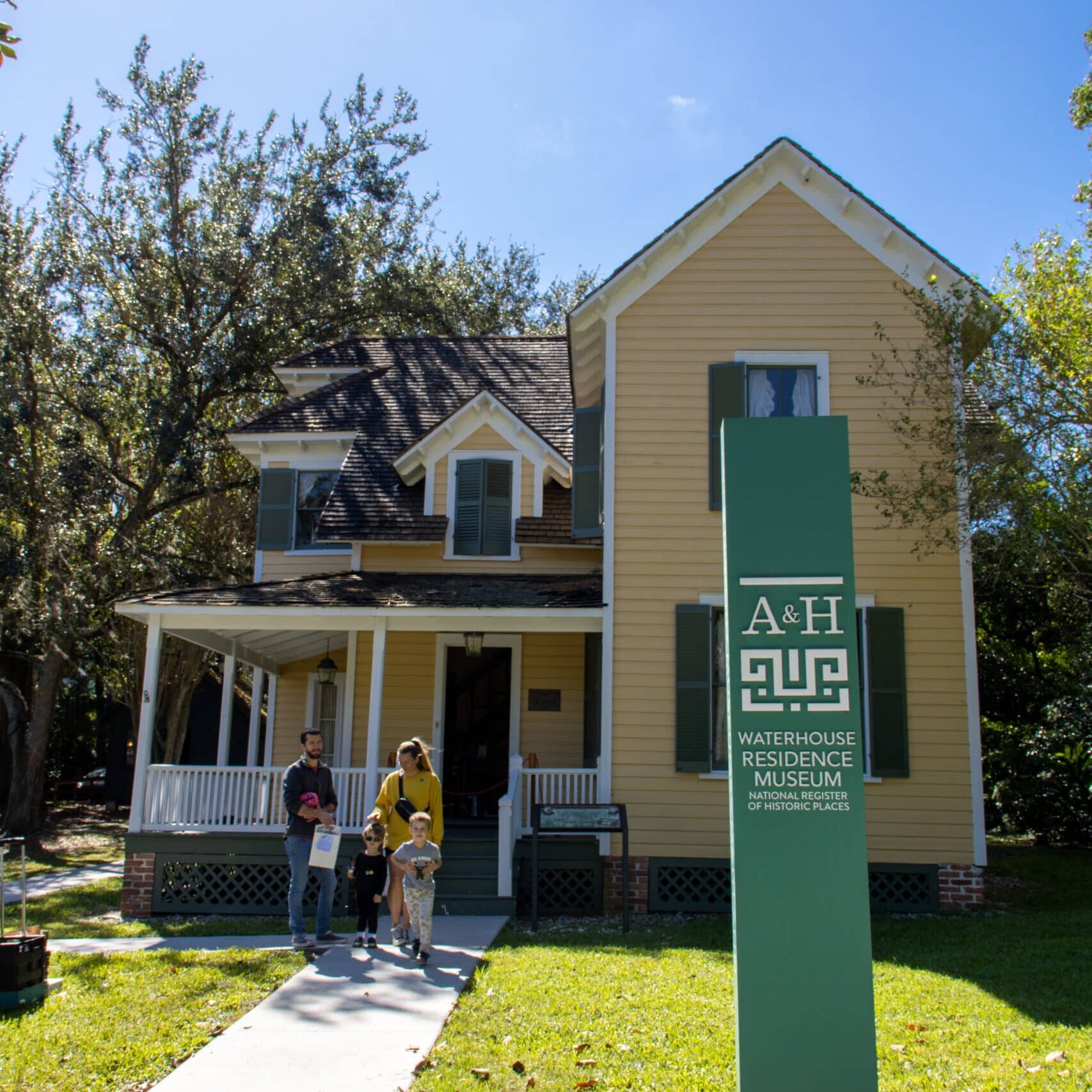
Waterhouse Residence Museum and Carpentry Shop
Built in 1884, the Waterhouse Residence is one of the region’s best-preserved examples of a Gilded Age middle-class home. Visitors step inside to find authentic period furnishings and family heirlooms that reflect daily life in turn-of-the-century Florida. Next door, the Carpentry Shop Museum showcases traditional woodworking tools and techniques used by William Waterhouse, who helped build many of Maitland’s earliest homes. These sites offer an intimate look at the craftsmanship, values, and ambitions of a town in the making.
Preserving the Past, Inspiring the Present
A&H is dedicated to preserving the places and stories of the past while creating new pathways for learning and artistic expression. Whether you’re attending a class, visiting an exhibition, or joining a free family program, we invite you to engage with our museums as spaces for reflection, collaboration, and discovery.
Your involvement, through membership, giving, or participation, helps ensure this work continues for generations to come.