![[Bok Fellows][1]](https://ah.r3mx.com/wp-content/uploads/bb-plugin/cache/Bok-Fellows1-scaled-square.jpg "[Bok Fellows][1]")
The Bok Fellows: Artists at the Edge of Innovation
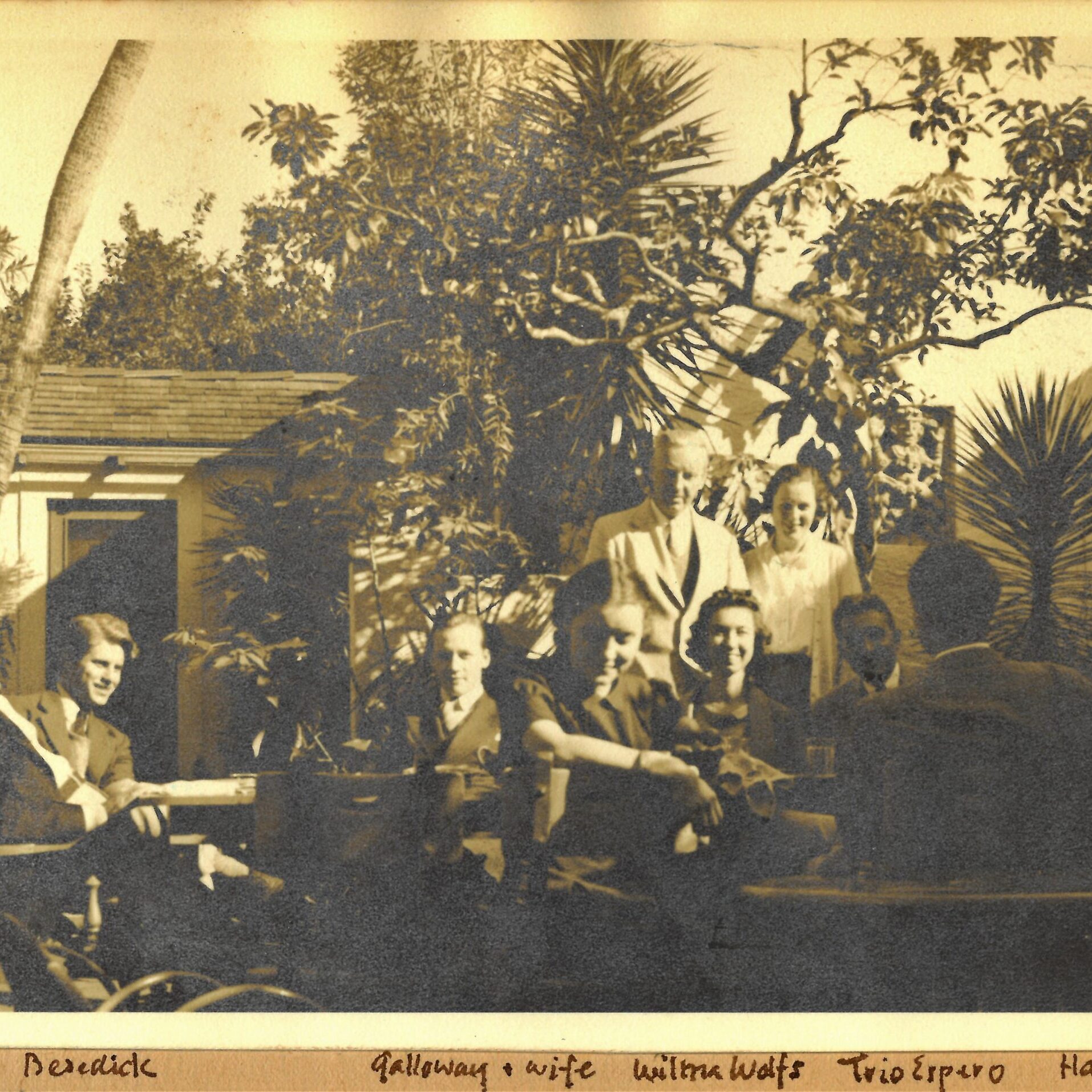
During André Smith’s lifetime, more than 65 artists lived and worked at the Research Studio as Bok Fellows, a name that honored the Studio’s co-founder and patron, Mary Curtis Bok. These artists were not merely invited guests - they were collaborators in a living experiment. Smith didn’t just offer them shelter and studio space; he offered them permission, and expectation, to push the limits of their practice. He famously urged them to “go wild,” encouraging bold departures from their typical mediums and methods. For Smith, the Studio was not a place for safe art or quiet repetition, it was a proving ground for risk-taking and reinvention.
The Bok Fellows came from across the country and brought with them a wide range of styles and approaches. Some, like Milton Avery, Doris Lee, and Elizabeth Sparhawk-Jones, were already accomplished artists. Others were early in their careers, eager for the kind of critical dialogue and solitude the Studio offered. Artists were selected initially through personal invitation, but after a few contentious seasons, Smith shifted to a competitive application process. He believed the change inspired greater humility and stronger contributions, writing that artists who earned their place through merit were “better workers and better fellows.”
![[Bok Fellows][2]](https://ah.r3mx.com/wp-content/uploads/bb-plugin/cache/Bok-Fellows2-scaled-square.jpg "[Bok Fellows][2]")
![[Bok Fellows][3]](https://ah.r3mx.com/wp-content/uploads/bb-plugin/cache/Bok-Fellows3-square.jpg "[Bok Fellows][3]")
Life at the Studio was immersive, creative, and occasionally chaotic. The artists were responsible for maintaining their studios, participating in group exhibitions, and engaging in open critique. Smith held strong opinions and wasn’t shy about sharing them, and his sharp wit and high standards made for both invigorating mentorship and occasional friction. Nonetheless, the Fellows produced work that expanded the boundaries of American art. Sculptor Bill McVey, muralist John Hawkins, and artist Wilma Wolfs each contributed permanent works to the site, blending their own visions into Smith’s evolving architectural canvas.
While the Bok Fellows program ended with Smith’s death in 1959, its legacy continues through today’s Artist in Residence and Artist in Action programs at the Maitland Art Center. These contemporary artists are not direct successors. They are its living echoes, continuing a dialogue begun more than 85 years ago. Much like the Bok Fellows before them, today’s artists are invited to experiment boldly, engage with the community, and create within a space uniquely designed for contemplation and risk. In this way, the spirit of the Research Studio remains alive, not as a relic, but as an ever-evolving commitment to fearless creativity.
[Link to Bok Fellows List]