André Smith: The Visual Artist
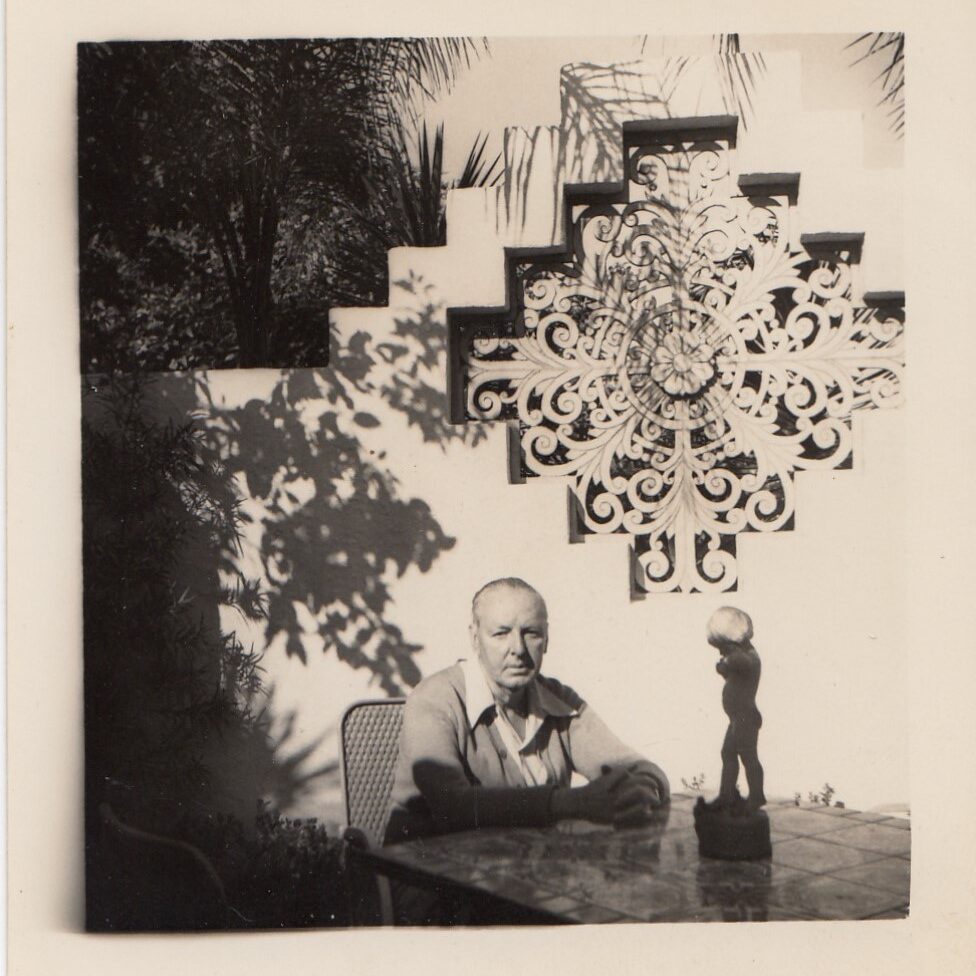
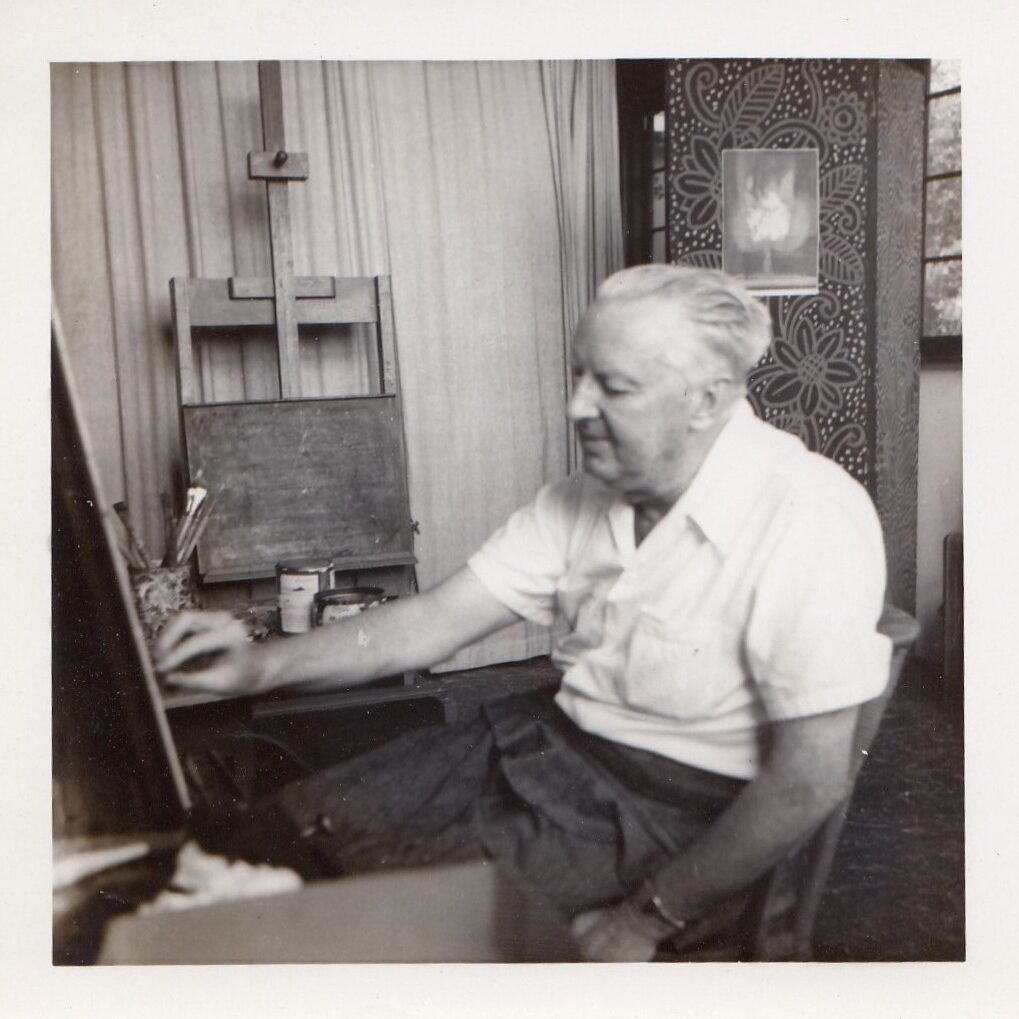
André Smith was a remarkably versatile artist, known as an accomplished printmaker, painter, architect, and sculptor. Smith’s creative journey began long before his arrival in the Florida. Born in Hong Kong and shaped by experiences across Europe and the United States, his life was a testament to constant artistic exploration.
Watch Now: A&H Conversations with Exhibitions Manager Katie Benson
Jules André Smith: The Masterworks – A lecture on Smith’s lifelong artistic development
Early Passion and Academic Detour
Although Smith always dreamed of becoming an artist, his family discouraged the idea, concerned about the challenges of an artistic career. In 1898, he enrolled in Cornell University’s Architecture program instead of pursuing fine arts. Despite this detour, Smith found ways to nurture his creativity. He served as art director for several campus publications, exhibited paintings in New York galleries, and taught himself etching.
After earning his Master’s degree in 1904, Smith worked briefly as an architect. But by 1909, he had fully embraced his artistic practice. Reflecting on this, he wrote: “It was far pleasanter to etch and to go abroad...than to try to build up an architectural practice on a somewhat reluctant foundation.”
European Travels and Wartime Service
![Photo: 1992.051.049A]
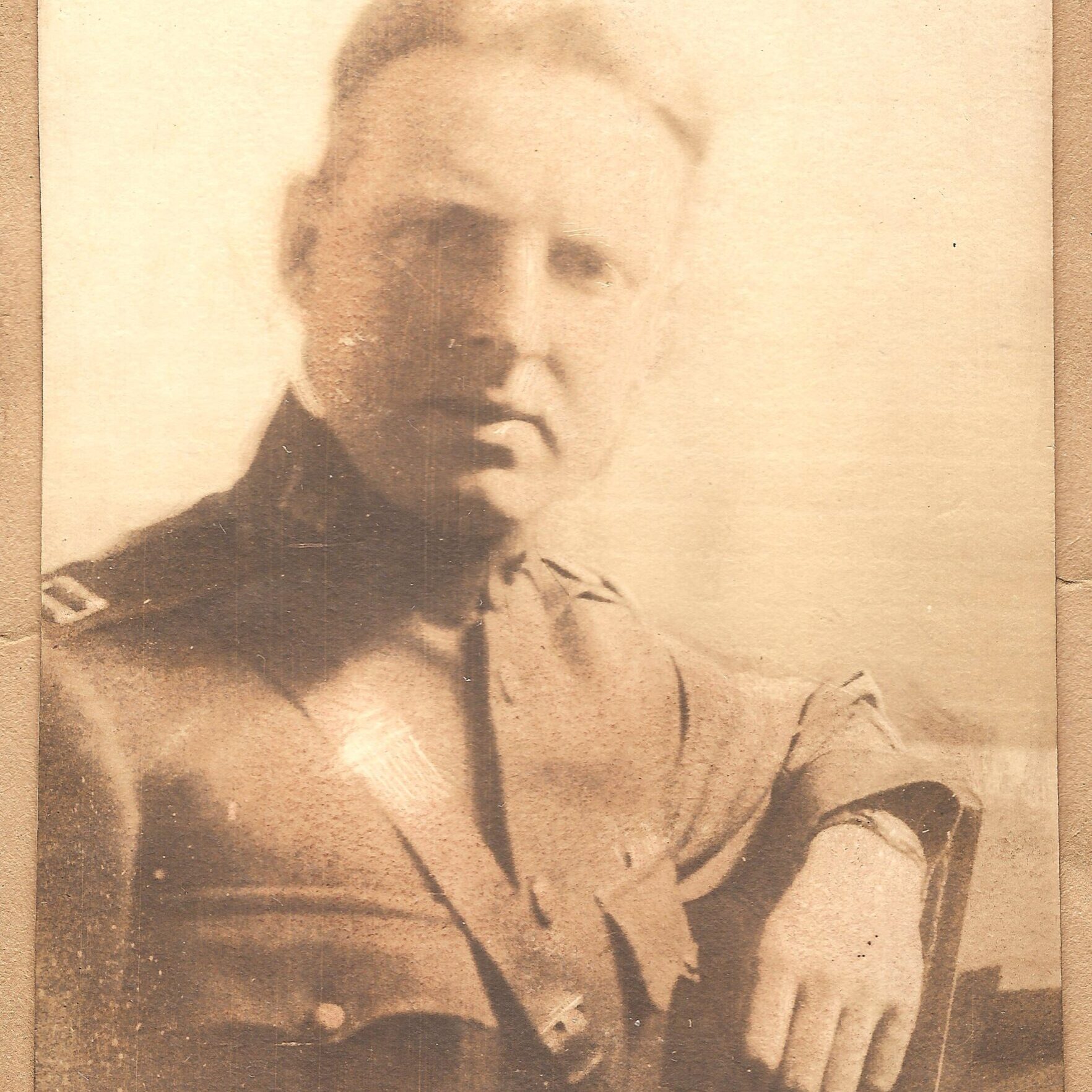
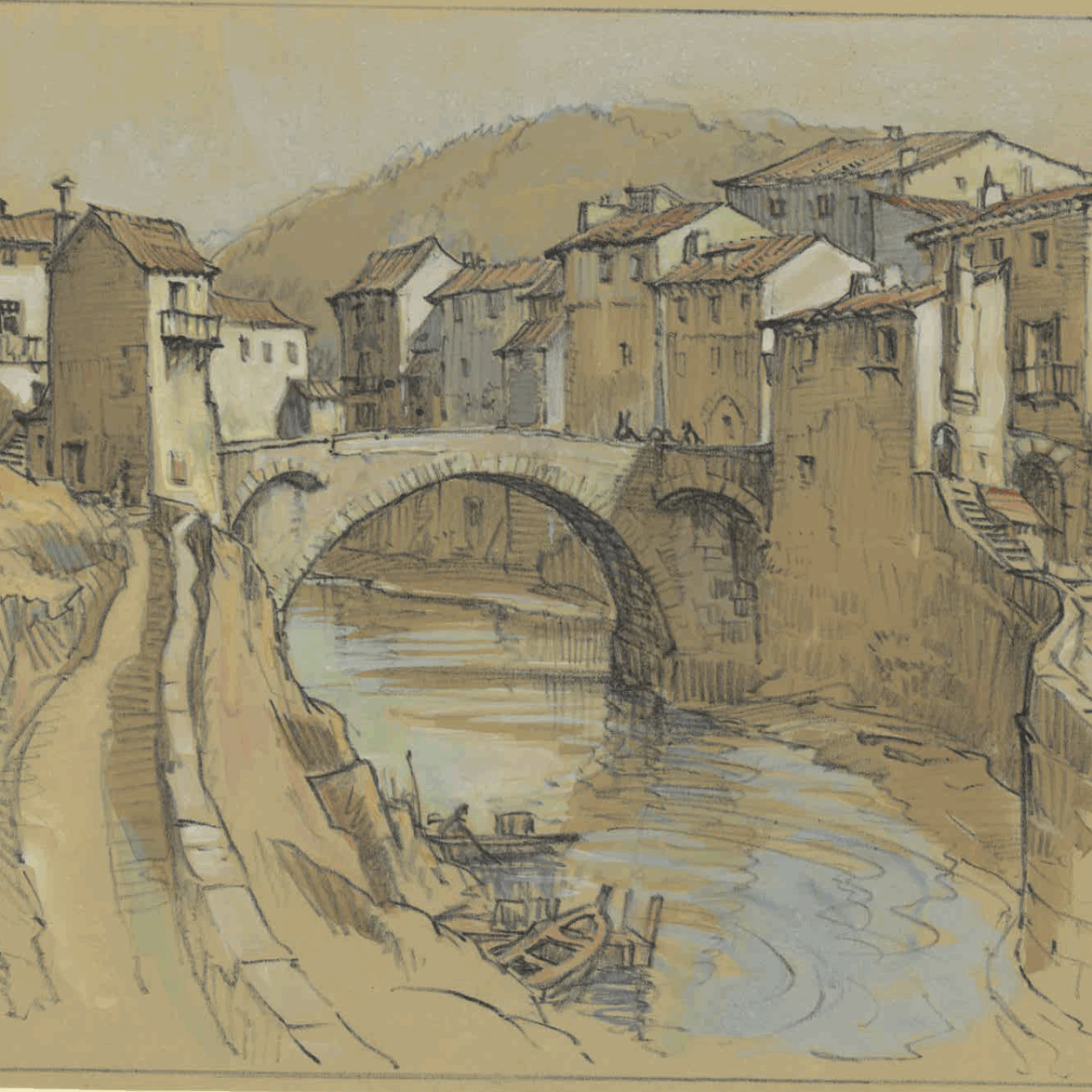
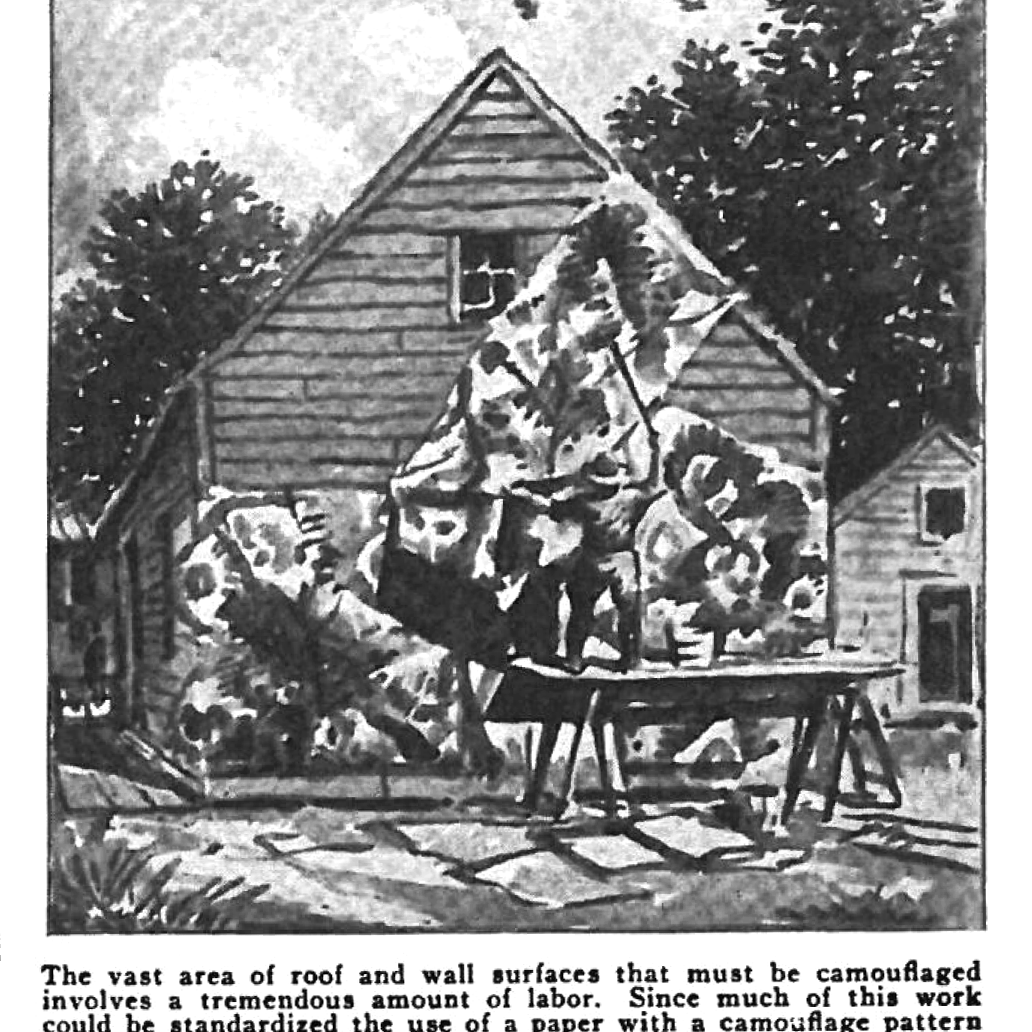
In the early 1910s, Smith traveled extensively throughout France and Italy, producing etchings and realistic landscape drawings. As his skill grew, so did his reputation, with exhibitions across the United States. His artistic travels were interrupted by World War I, during which he joined the U.S. Army as a camouflage artist and later, a war artist.
Serving in the Camouflage Corps, Smith explored visual deception techniques, including figure/ground inversion and mimetic concealment, which influenced his later artistic evolution. These experiments, designed for military strategy, also intersected with emerging art movements like Cubism and Surrealism. By the war’s end, Smith had experienced both a changed world and a changed art landscape.
Embracing Surrealism and the Subconscious
Although Smith continued to produce representational work throughout his life, his art in the 1920s and 30s reflected a growing interest in abstraction and psychological exploration. His etchings adopted Cubist qualities, and his paintings moved toward Surrealism.
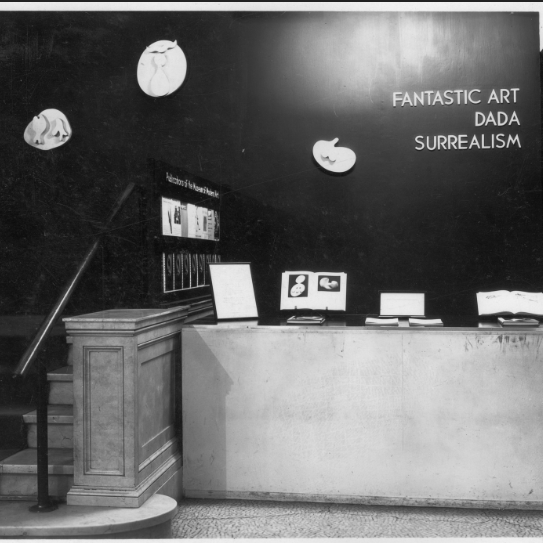
In 1936, Smith created a series of automatic watercolor drawings, which were improvised works tapping into the subconscious. Four were included in the Museum of Modern Art’s landmark exhibition Fantastic Art: Dada & Surrealism.
In 1937, Smith published Art and the Subconscious, a compilation of 38 “subconscious transcriptions” created at the Research Studio. The book included essays and poems that offered insight into his creative process and philosophy.
These themes, experimentation, self-discovery, and a rejection of artistic conformity, were echoed in the founding of the Research Studio. Artists invited to the retreat were expected to challenge themselves and push beyond their usual practices.
A Multifaceted Practice
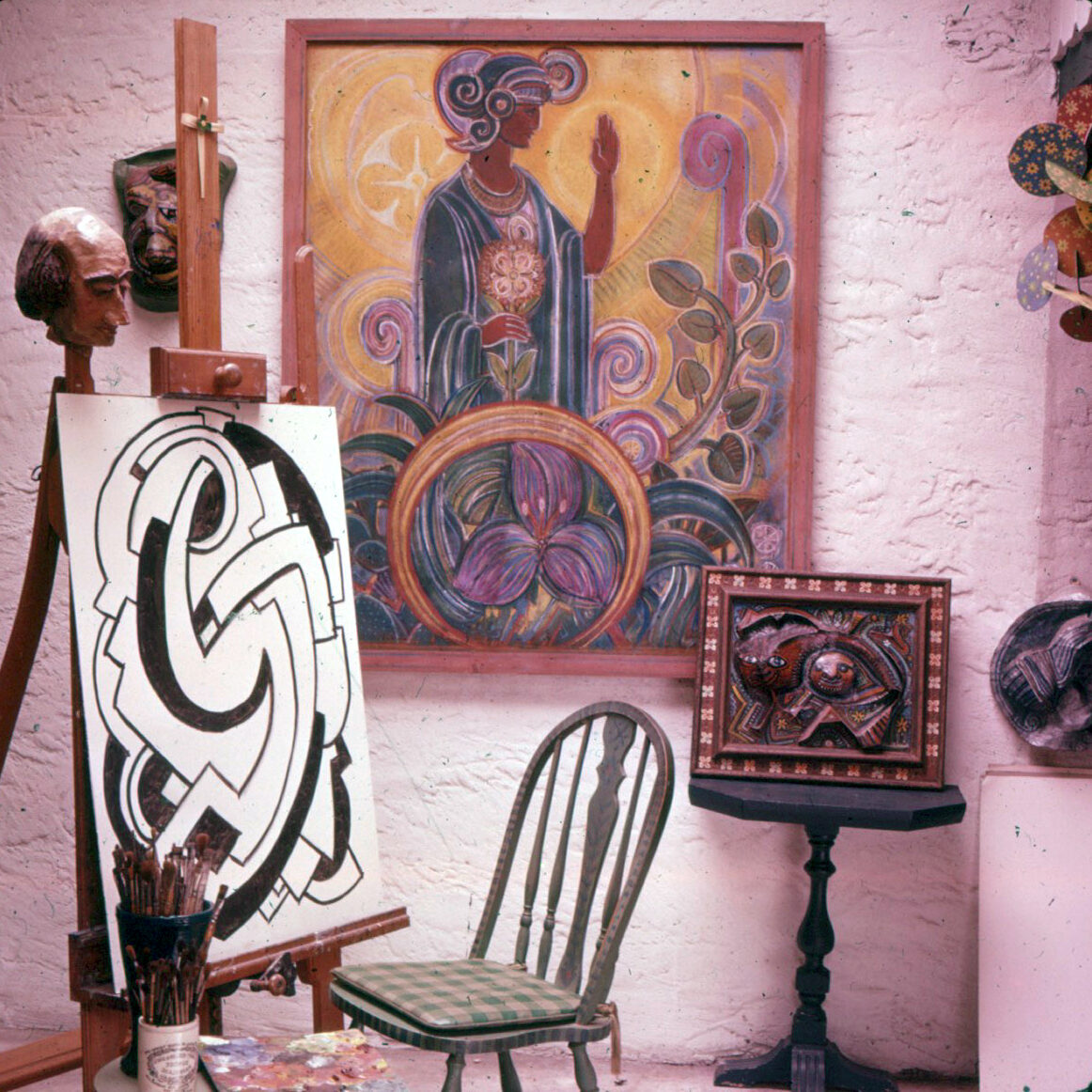
Smith continued to experiment with Surrealism throughout the 1940s and ventured into Magic Realism by 1946. At the same time, he never fully abandoned traditional subject matter. His body of work includes realistic portrayals of Central Florida’s landscapes, laborers, and towns, including the historically Black community of Eatonville. He also explored religious imagery, influenced by both his Christian faith and his interest in global spiritual traditions.
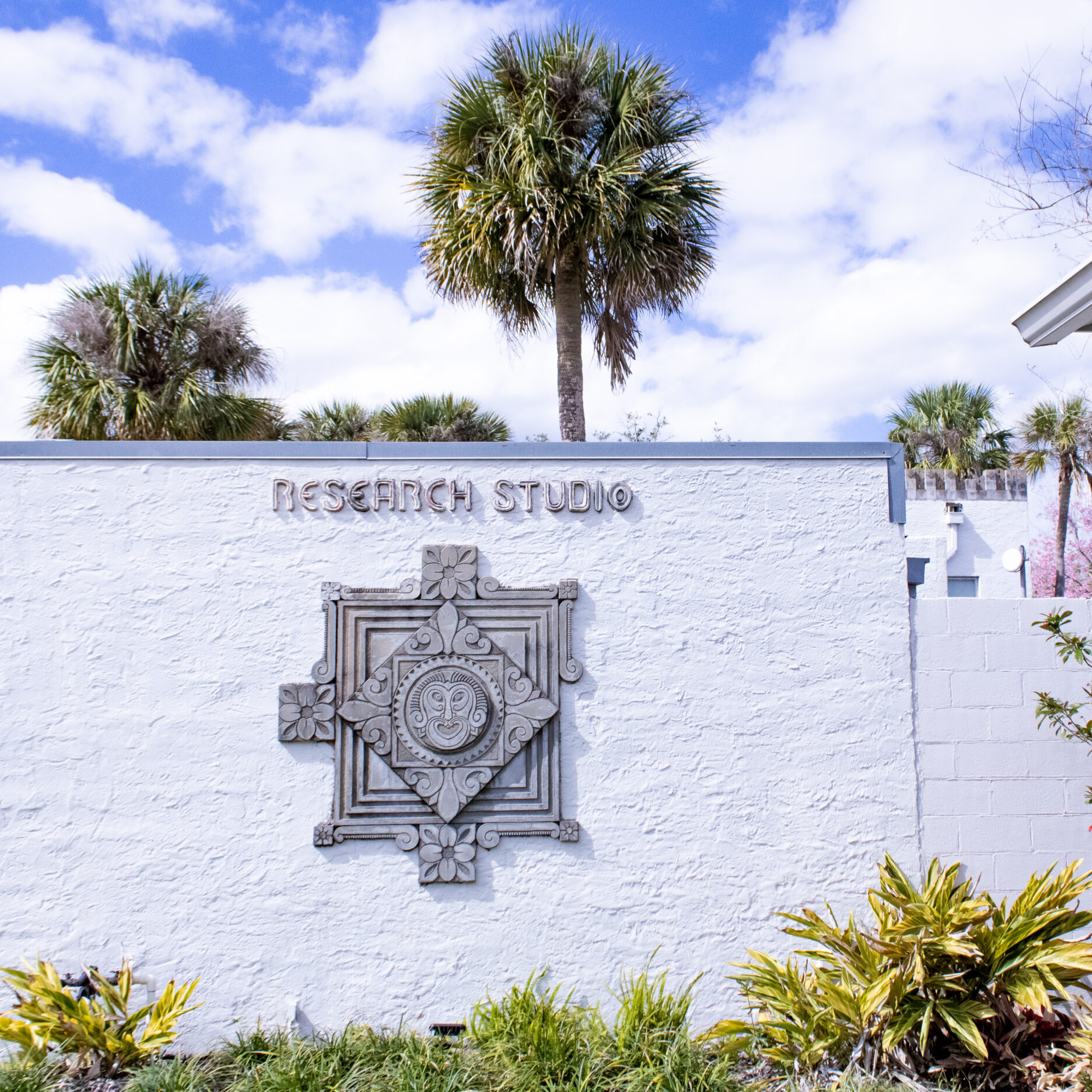
One of the most compelling examples of Smith’s diverse output can still be seen on the campus of the Research Studio. There, he decorated buildings and walkways with original concrete reliefs, featuring surreal, religious, abstract, and realistic motifs, creating a truly immersive environment that reflects his vision as both an artist and architect.
Today, the Art & History Museums of Maitland proudly continues Smith’s legacy of innovation.
Through exhibitions, education programs, and artist residencies, we create opportunities for contemporary artists to experiment, share their work, and engage with the public.
Learn More about Smith’s Work as a Printmaker